Loxo: The Forgotten Goddess of Prophecy
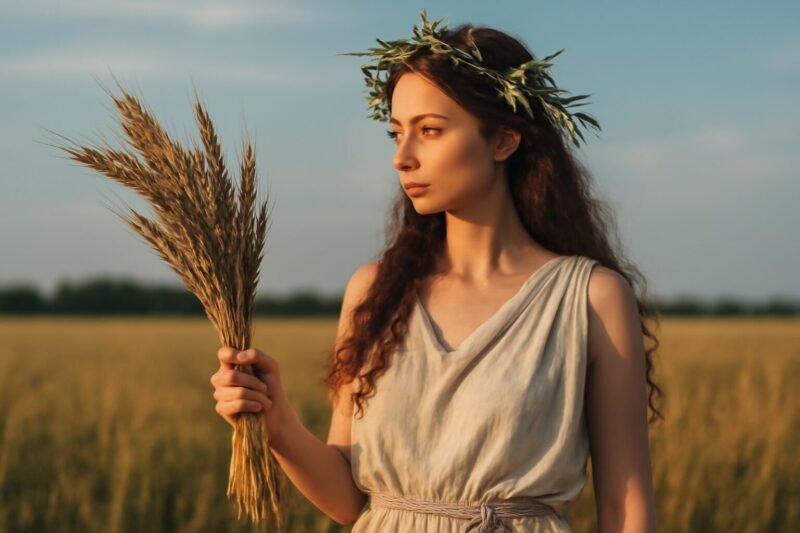
In the vast pantheon of Greek mythology, Loxo remains one of the lesser-known but fascinating deities. She was one of the three Thriae, nymphs of Mount Parnassus associated with prophecy and divination. Alongside her sisters Melaina and Corycia, Loxo played a unique role in the mystical traditions of ancient Greece.
Role and Powers
Loxo and her sisters were priestesses of prophecy, closely linked to the god Apollo, the Olympian deity of oracles. The Thriae were said to practice a form of divination using pebbles or small stones, which they cast to reveal the future. Unlike the famous Oracle of Delphi, who spoke in riddles, the Thriae's methods were more direct—though their exact rituals remain shrouded in mystery.
Loxo’s name itself hints at her prophetic nature—derived from the Greek word "loxos," meaning "oblique" or "ambiguous," a reference to the twisting, enigmatic nature of divine messages. Some scholars suggest she may have been an early precursor to Apollo’s oracular traditions, representing an older, earth-based form of prophecy.
Mythological Connections
The Thriae were often associated with bees, creatures long tied to wisdom and divine inspiration in Greek myth. According to legend, they taught the art of prophecy to Apollo himself, who later became the dominant god of oracles. This connection suggests that Loxo and her sisters were part of an older, pre-Olympian tradition that was later absorbed into the worship of the Olympian gods.
Though not as prominent as figures like the Pythia or the Sibyls, Loxo’s presence in myth highlights the diversity of prophetic practices in ancient Greece. Her role underscores the idea that prophecy wasn’t limited to grand temples but could also be found in the whispers of nymphs and the rustling of sacred stones.
Legacy and Significance
While Loxo’s stories are sparse, her existence speaks to the rich tapestry of Greek mythology, where even minor deities held specialized roles. She represents the mysterious, untamed aspects of divination—less formalized than Delphi but no less powerful. Today, she remains a curious footnote in the study of ancient oracles, a reminder that the gods spoke in many voices, some clearer than others.
Alternative Names for Loxo
God Name: Apollo Loxias (Greek)
An epithet of Apollo, associating him with the oracle and prophecy, as 'Loxias' refers to the oblique or ambiguous nature of oracular pronouncements. This connects Loxo to Apollo in his prophetic role.
God Name: Apollo Loxius (Roman)
The Roman adaptation of the Greek epithet 'Loxias,' maintaining the association with prophecy and oracular speech, linking Loxo to the Roman Apollo's prophetic functions.
God Name: Loxias (Greek)
A standalone epithet used in Greek to refer to Apollo in his role as the god of prophecy, emphasizing the oblique (loxos) nature of his oracles, directly tying to the name Loxo.
Tales about Loxo
Loxo and the Healing of Artemis
In the deep forests of Arcadia, Loxo, one of the rustic nymphs, was known for her keen tracking skills and connection to the wild. One evening, she discovered the goddess Artemis nursing a wound from a stray arrow during a hunt. Loxo, with her knowledge of herbs and terrain, swiftly gathered rare moss and spring water to tend to the injury. Artemis, impressed by the nymph’s resourcefulness and loyalty, blessed Loxo with heightened senses and the ability to always find her way through the densest woods. From that day, Loxo became a trusted companion to Artemis, often guiding her hunters and protecting the sacred groves.
The Gift of the Moonlit Path
As a token of gratitude, Artemis carved a silver path through the forest that only Loxo could see under moonlight, ensuring she would never be lost. This bond between the goddess and the nymph symbolized the harmony of nature and divine protection.
Loxo’s Encounter with Pan
Another tale tells of Loxo crossing paths with Pan, the god of the wild, near Mount Lycaeus. Pan, in his mischievous mood, had hidden the melodies of the forest, causing silence to fall over the woods. Loxo, using her tracking prowess, followed the faint echoes of Pan’s pipes to a hidden cave. There, she negotiated with the god, offering a dance under the stars in exchange for returning the music. Amused by her boldness, Pan agreed, and as Loxo danced, the forest erupted with sound once more. In reward, Pan gifted her with the ability to understand the language of animals, deepening her connection to the rustic realm.
The Eternal Dance
It is said that on quiet nights, one can still hear Loxo’s laughter intertwined with Pan’s melodies, a reminder of the playful alliance between nymph and god.
Frequently Asked Questions
Who is Loxo in Greek mythology?
Loxo is one of the lesser-known rustic deities in Greek mythology, often associated with hunting and wilderness. She is sometimes considered a nymph or a minor goddess connected to Artemis, the goddess of the hunt.
What are rustic deities in Greek mythology?
Rustic deities are minor gods and goddesses in Greek mythology who personify aspects of nature, rural life, and the wilderness. They include nymphs, satyrs, and other spirits tied to forests, mountains, and rivers.
Why are rustic deities like Loxo important in Greek myths?
Rustic deities represent the connection between humans and nature in ancient Greek culture. They highlight the Greeks' reverence for natural forces and their belief in divine beings inhabiting every part of the world, from forests to streams.
How does Loxo relate to Artemis?
Loxo is often linked to Artemis, the goddess of the hunt, as a companion or follower. Like Artemis, Loxo embodies the wild, untamed aspects of nature and hunting, though she is a much lesser-known figure.
Are rustic deities like Loxo still relevant today?
While not widely worshiped today, rustic deities symbolize humanity's enduring fascination with nature and the environment. They remind us of ancient beliefs that saw divinity in the natural world, a concept that resonates with modern ecological awareness.