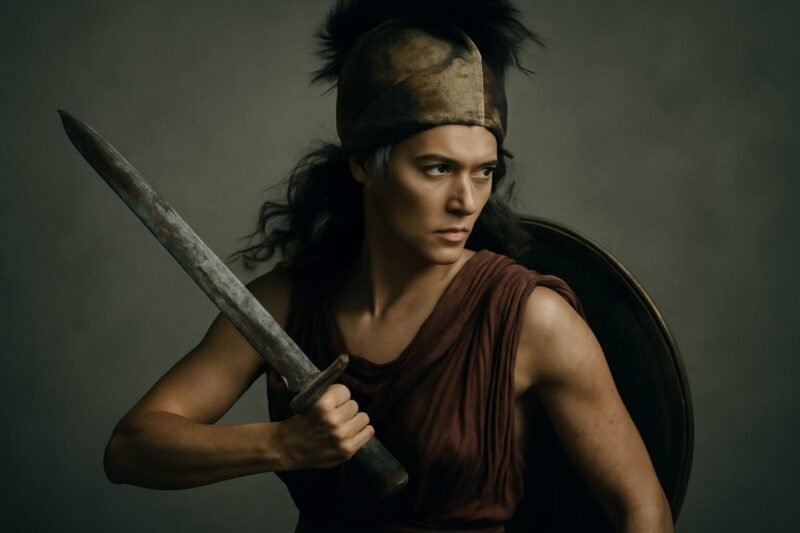
Hysminai: The Spirits of Battle and Combat
The Hysminai (also known as Hysminae) were lesser-known but powerful deities in Greek mythology, personifying the spirits of battle, combat, and warfare. Their name derives from the Greek word hysmínē, meaning "battle" or "combat," reflecting their fierce and relentless nature.
Role and Powers
Unlike Ares, the god of war who embodied the chaotic and brutal aspects of battle, the Hysminai represented the raw, primal energy of combat itself. They were often depicted as relentless forces that drove warriors into a frenzy, fueling their aggression and determination on the battlefield. Some myths suggest they could influence the tide of war by inspiring courage or instilling fear in soldiers.
Though not as widely worshiped as other war deities, the Hysminai were sometimes invoked by warriors seeking strength or by generals hoping to rally their troops. Their presence was believed to linger in the clash of swords, the cries of soldiers, and the chaos of war.
Relationships and Mythology
The Hysminai were often associated with Ares and Enyo, the goddess of war and destruction, serving as their attendants or manifestations of battle fury. In some traditions, they were considered daughters of Ares, born from the bloodshed and violence he personified. Other accounts link them to the Keres, spirits of violent death, suggesting they were part of a broader pantheon of war-related deities.
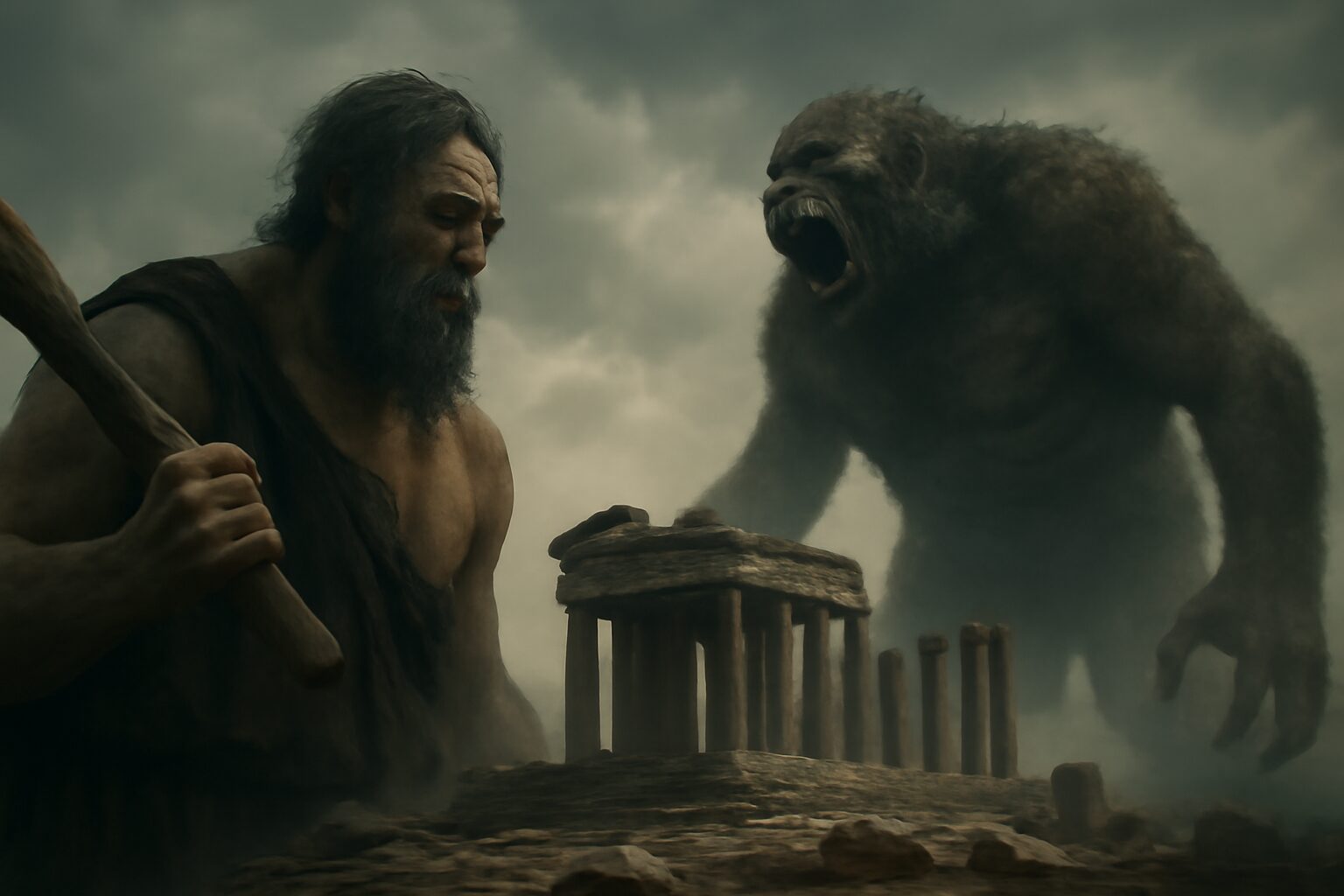
One lesser-known myth describes the Hysminai as haunting the battlefield of Troy, whispering in the ears of warriors to spur them into reckless bravery or paralyzing terror. Their influence was subtle but potent, shaping the outcomes of skirmishes through unseen psychological warfare.
Significance in Greek Mythology
While not as prominent as Olympian gods, the Hysminai played a crucial role in the psychological and supernatural aspects of war. They embodied the idea that battle was not just a physical struggle but also a mental and spiritual one. Their existence highlighted the Greeks' belief in unseen forces shaping human conflict, adding depth to their understanding of warfare.
Today, the Hysminai remain a fascinating example of how Greek mythology personified abstract concepts—even the intangible fury of combat. Their legacy endures as a reminder of war's chaotic and unpredictable nature, driven by forces beyond mortal control.
Alternative Names for Hysminai
God Name: Hysminai (Greek)
The primary name of the god, associated with battle and combat in Greek mythology.
God Name: Bellona (Roman)
While not a direct equivalent, Bellona is the Roman goddess of war and may share some attributes with Hysminai, particularly in the context of battle frenzy.
God Name: Makhai (Greek)
In Greek mythology, the Makhai are spirits of battle and combat, sometimes conflated with or serving under deities like Hysminai.
God Name: Enyalios (Greek)
An epithet or alternate name for Ares, the Greek god of war, sometimes used interchangeably with Hysminai in certain contexts.
Tales about Hysminai
The Hysminai and Ares: The Battlefield's Dance
In the heat of the Trojan War, as Ares, the god of war, strode across the blood-soaked plains, the Hysminai were his constant, unseen companions. These spirits of combat and fighting were not mere observers; they were the very essence of the fray, stirring the hearts of warriors to greater ferocity. One day, as Ares raised his spear, the Hysminai swirled around him like a crimson mist, whispering of glory and valor into the ears of the Greeks and Trojans alike. Their influence turned a skirmish into a legendary clash, where every blow struck was a testament to their power. Ares, feeling their energy amplify his own, laughed amidst the chaos, for he knew that without the Hysminai, war would be but a hollow shell of conflict.
The Aftermath and the Bond
When the battle waned and the field fell silent, the Hysminai did not depart. Instead, they gathered the lingering spirits of strife, weaving them into the fabric of the land, ensuring that the desire for combat would seed future conflicts. Ares, in appreciation, granted them a permanent place by his side, making them integral to every war he inspired. Their partnership became a symbol of the inseparable nature of war and the fighting spirit, a dance of destruction and passion that would echo through ages.
The Hysminai and Athena: The Strategist's Gambit
Unlike their wild association with Ares, the Hysminai also found a unique role alongside Athena, the goddess of wisdom and strategic warfare. During the planning of the defense of Athens, Athena summoned the Hysminai not to incite blind violence, but to instill a disciplined, calculated fervor in the city's defenders. The spirits channeled their energy into the soldiers' training, turning each drill into a prelude to victory. Under Athena's guidance, the Hysminai helped forge an army that fought with both heart and mind, where every clash was a move in a grand strategy.
A Lesson in Controlled Conflict
Athena, ever the tactician, taught the Hysminai that combat could be a means to a just end, not merely an outburst of rage. The spirits, accustomed to chaos, learned to temper their influence, aligning with wisdom to protect rather than destroy indiscriminately. This alliance showed that even the raw energy of fighting could be harnessed for protection and order, adding a layer of depth to the nature of the Hysminai and honoring Athena's vision of warfare as an art form.
Frequently Asked Questions
Who are the Hysminai in Greek mythology?
The Hysminai are lesser-known spirits or daimones in Greek mythology, personifying combat, fighting, and the chaos of battle. They are often associated with the violent aspects of war, unlike more prominent war deities like Ares or Athena.
What is the significance of the Hysminai in Greek culture?
The Hysminai represent the brutal and uncontrollable nature of battle, serving as a reminder of the destructive forces in warfare. They highlight the Greeks' understanding of war's chaos, beyond just strategy or glory.
Are the Hysminai considered gods or spirits?
The Hysminai are considered spirits (daimones) rather than full-fledged gods. In Greek mythology, daimones are personifications of abstract concepts or forces, often acting as minor deities or intermediaries between gods and humans.
How do the Hysminai relate to modern interpretations of conflict?
The Hysminai symbolize the uncontrollable and destructive aspects of conflict, which can still be relevant today when examining the chaos and unpredictability in wars or violent struggles, beyond just the political or strategic reasons.
Are there any myths or stories featuring the Hysminai?
The Hysminai are rarely mentioned in surviving Greek myths, as they are minor spirits. They are sometimes referenced in poetic or philosophical texts describing the horrors of war, rather than having their own dedicated stories.