Homonoia: The Greek Goddess of Concord and Unity
In the rich tapestry of Greek mythology, Homonoia (Ὁμόνοια) stands as the divine embodiment of concord, harmony, and unity. Her name translates to "oneness of mind," reflecting her role in fostering agreement among individuals and communities. Though less prominent than some Olympian deities, Homonoia played a vital role in maintaining social order and peaceful coexistence.
Mythology and Symbolism
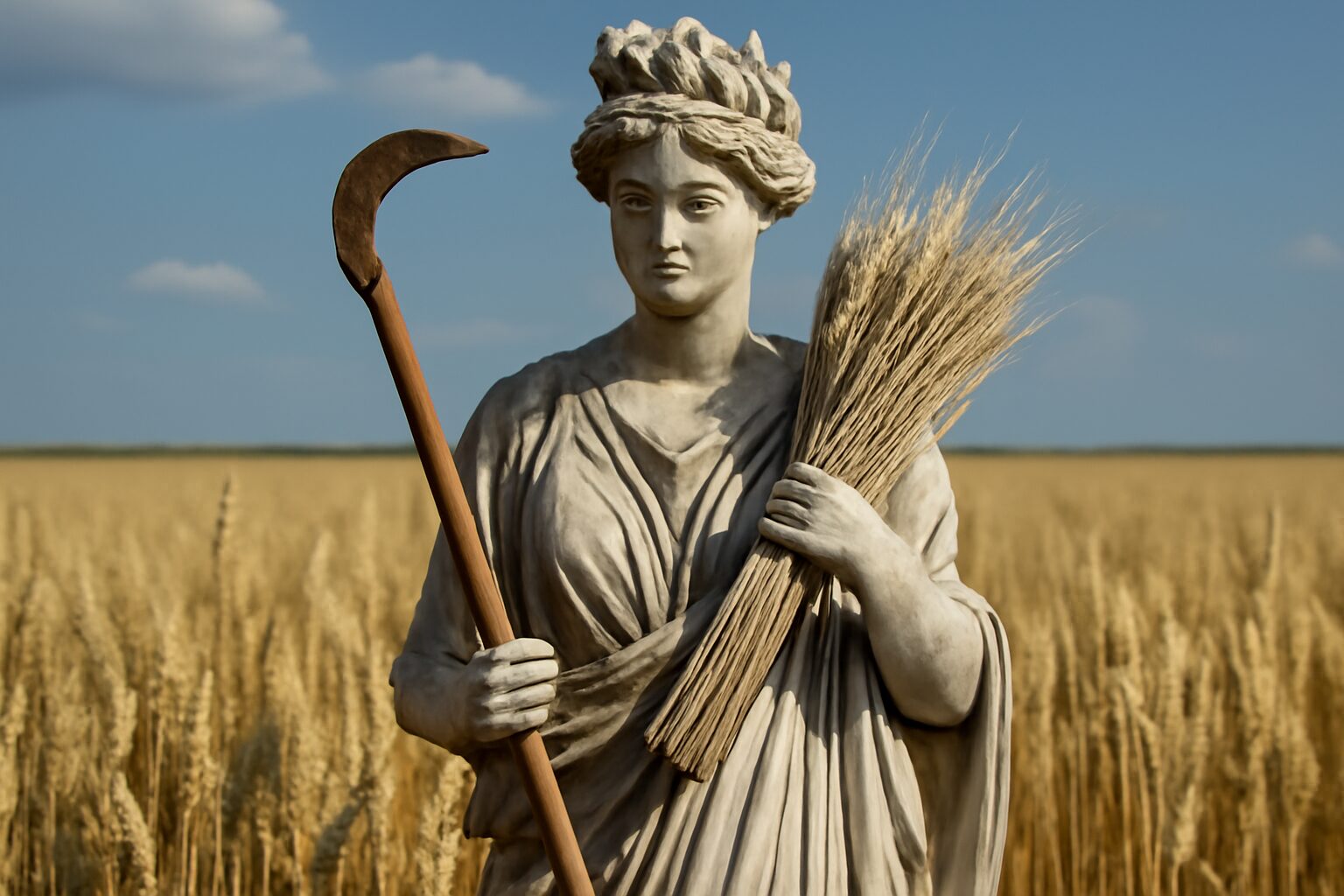
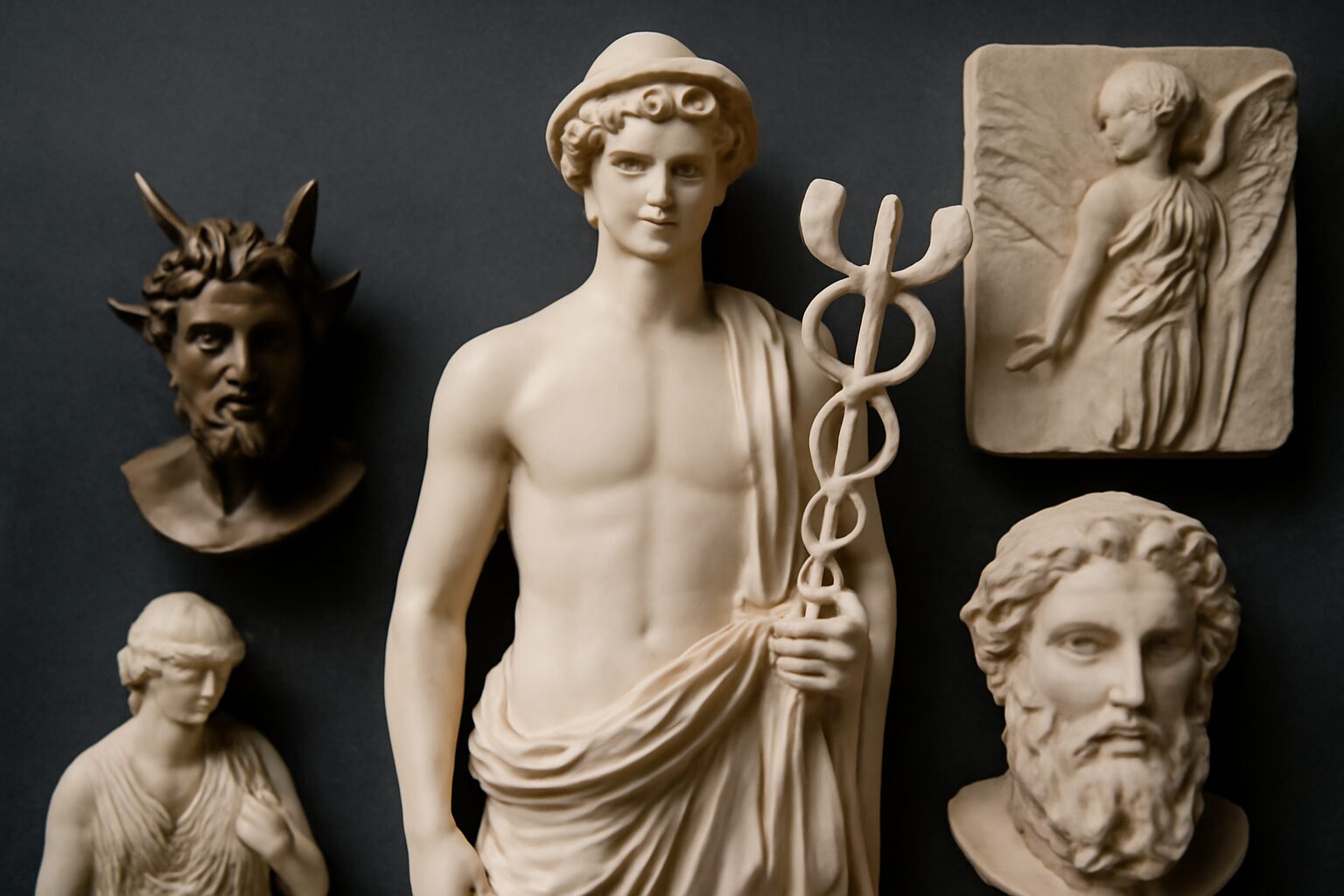
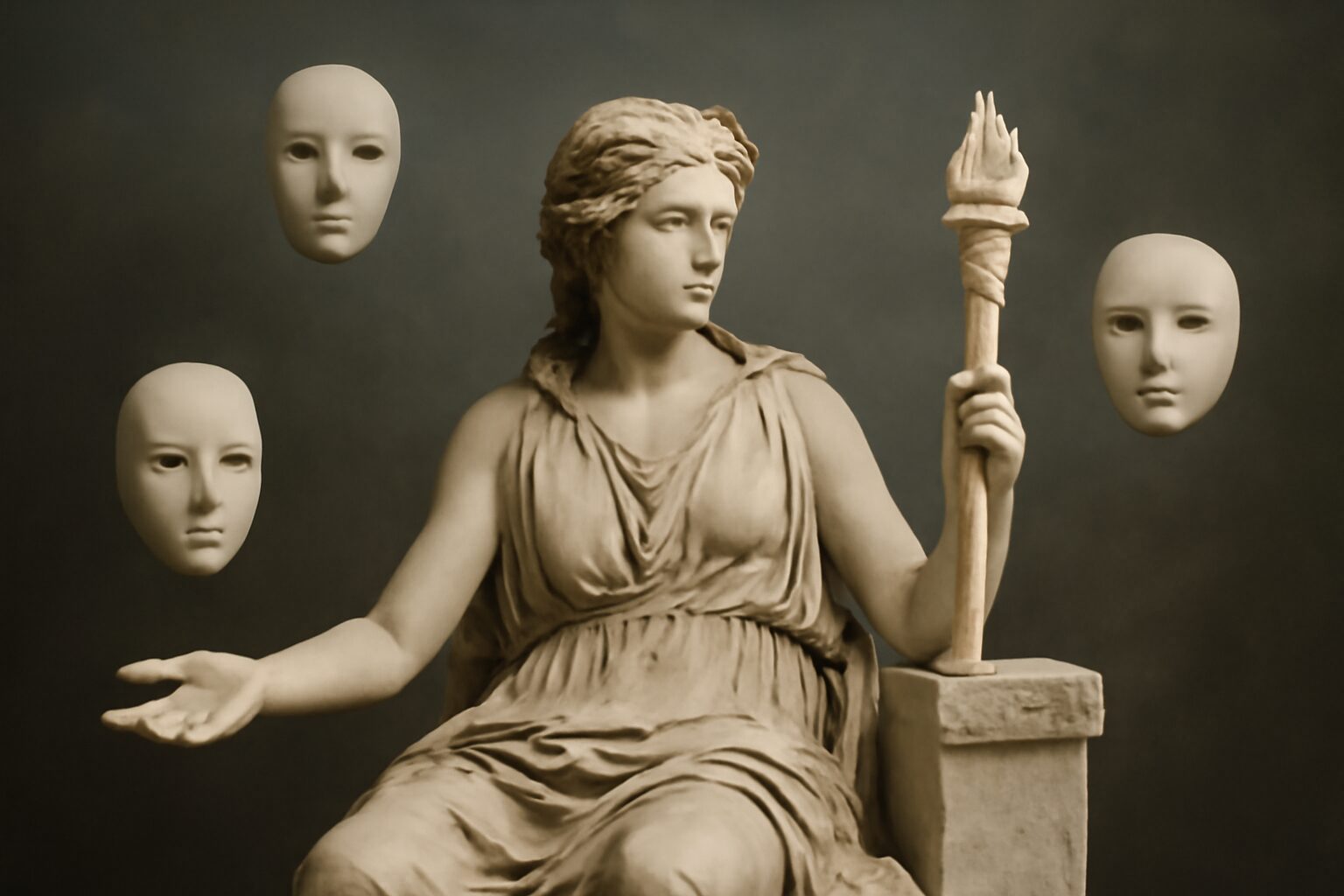
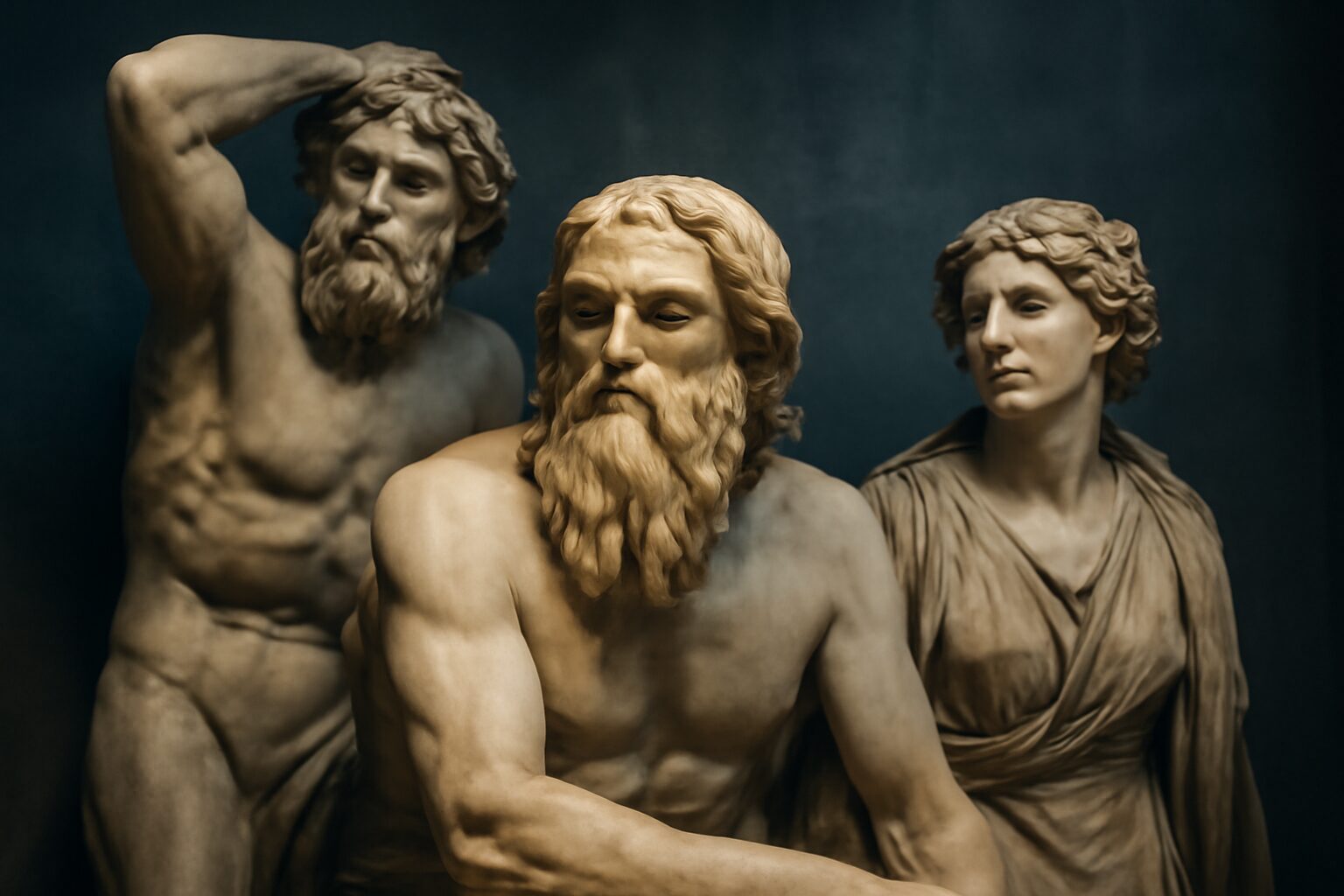
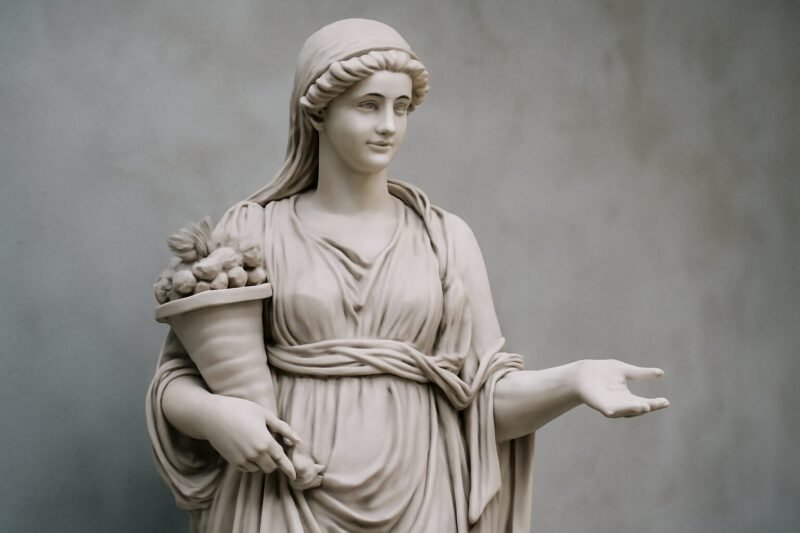
Homonoia was often depicted as a graceful woman holding a cornucopia (symbolizing prosperity) or a caduceus (representing negotiation). She was sometimes portrayed alongside her male counterpart, Harmonia, or as part of a triad with Eirene (Peace) and Dike (Justice). Her presence was invoked in political assemblies, marriages, and treaties to ensure mutual understanding.
Unlike many Greek deities, Homonoia rarely appears in dramatic myths. Instead, she was worshiped as an abstract concept made divine—a testament to how highly the Greeks valued unity. Cities like Athens and Corinth honored her with altars, recognizing that societal stability depended on shared purpose.
Relationships and Worship
Homonoia was sometimes considered the daughter of Praxidike (the spirit of exacting justice) or associated with Ares and Aphrodite, representing the balance between conflict and love. In Roman mythology, she was equated with Concordia.
Her worship was particularly strong in Ptolemaic Egypt, where she symbolized the unity between Greek and Egyptian cultures. The city of Alexandria minted coins bearing her image, emphasizing her role in maintaining harmony in diverse societies.
Legacy and Significance
Homonoia's enduring importance lies in her representation of collective wellbeing. The Greeks understood that no city could thrive without cooperation, making her a subtle but essential deity. Philosophers like Aristotle praised homonoia as the glue holding democracies together.
Today, her spirit lives on in modern concepts of social harmony and the diplomatic pursuit of common ground—proof that even lesser-known deities can leave profound cultural legacies.
Alternative Names for Homonoia
God Name: Concordia (Roman)
In Roman mythology, Concordia is the goddess of harmony and concord, equivalent to the Greek Homonoia. She represents agreement and understanding, much like Homonoia's role in Greek culture.
God Name: Harmonia (Greek)
Harmonia is a Greek goddess often associated with harmony and concord. While not identical to Homonoia, their domains overlap significantly, with both representing unity and peaceful coexistence.
God Name: Eunomia (Greek)
Eunomia is a Greek goddess of good order and lawful conduct, closely related to the concept of Homonoia. She embodies the idea of societal harmony and is sometimes conflated with Homonoia in certain contexts.
Tales about Homonoia
Homonoia and Eirene: The Peaceful Accord
In the golden age of humanity, when strife was but a distant memory, Homonoia and Eirene worked in perfect harmony. Eirene, the embodiment of peace, had calmed the warring hearts of mortals, but it was Homonoia who wove their intentions into a unified tapestry. Together, they visited a city divided by old rivalries, where even the seasons seemed to clash. Homonoia whispered into the ears of elders and youths alike, inspiring them to seek common ground, while Eirene’s presence soothed their anger. The result was a council where all voices were heard, and a pact was forged—not of forced silence, but of joyful cooperation. Fields were shared, festivals celebrated jointly, and the city flourished, becoming a beacon of how concord and peace could build a society stronger than any wall.
The Colors of Their Collaboration
- Golden Harmony: Homonoia’s influence, shining like sunlight on united efforts.
- Emerald Tranquility: Eirene’s touch, as calming as a serene meadow.
Homonoia and Zeus: The Divine Council
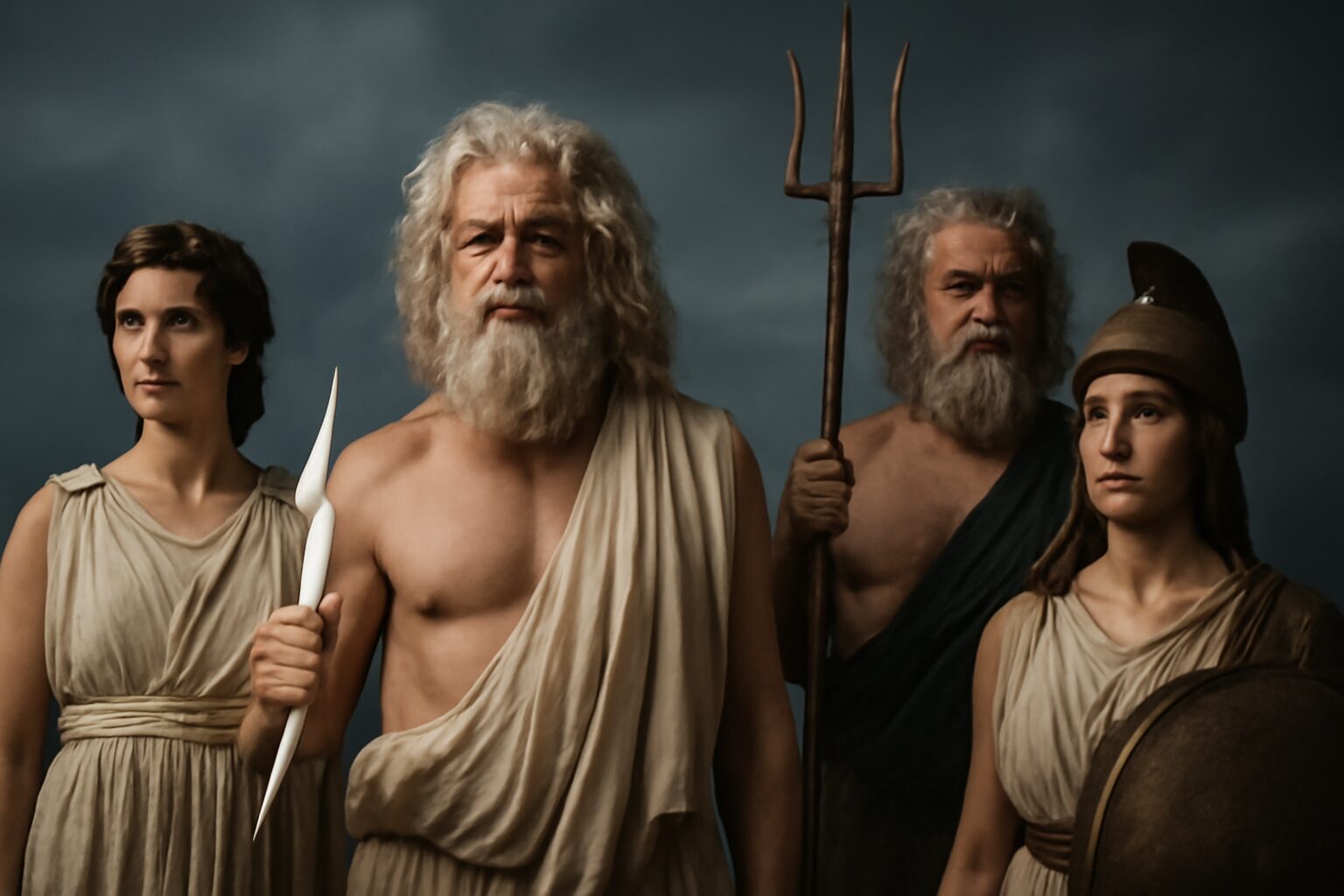
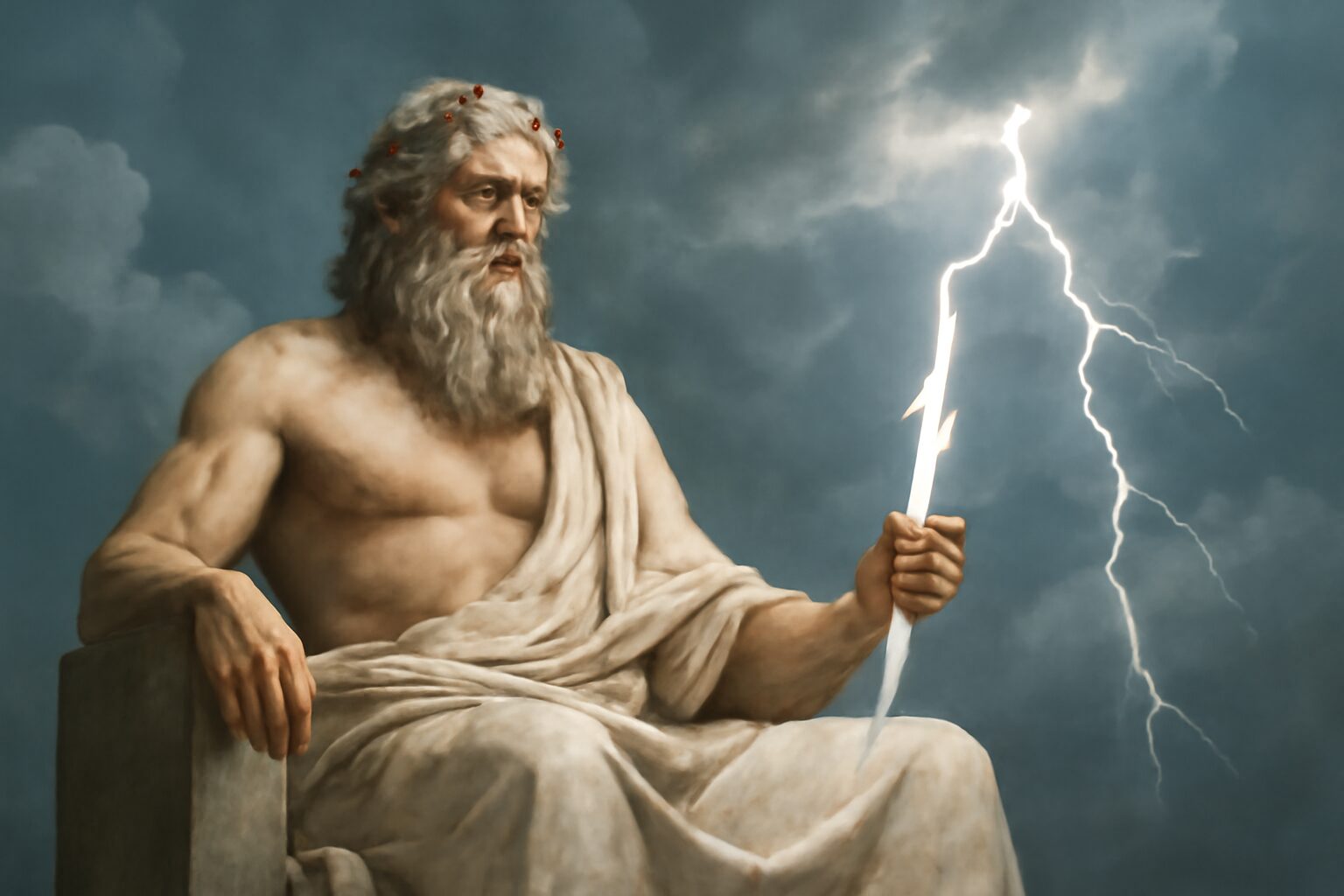
When the gods on Olympus were torn by dissent over the fate of a mortal hero, even Zeus found his authority challenged. Factions formed; some advocated for reward, others for punishment, and the halls echoed with discord. Seeing the potential for chaos, Homonoia approached the throne of Zeus not as a supplicant, but as an ally. She reminded the king of gods that his rule was strongest when backed by unity, not force. With subtle guidance, she helped Zeus frame a compromise that honored both justice and mercy. One by one, the gods assented, their disagreements melting away like morning mist. The resulting decree was fair and embraced by all, reinforcing Zeus’s sovereignty and demonstrating that even among immortals, concord is the bedrock of order.
Elements of Their Alliance
- Azure Authority: Zeus’s majestic power, tempered by wisdom.
- Violet Accord: Homonoia’s diplomatic grace, blending diverse wills into one.
Frequently Asked Questions
What is Homonoia in Greek mythology?
Homonoia is the Greek goddess or spirit (daimona) of concord, unanimity, and oneness of mind. She represents harmony and agreement among people, often depicted as a unifying force in communities and relationships.
Why was Homonoia important in ancient Greece?
Homonoia was important because she symbolized the ideal of unity and cooperation, which were highly valued in Greek city-states. Her presence was believed to prevent conflicts and foster peace, making her essential for societal stability.
How is Homonoia depicted in art and mythology?
Homonoia is often depicted as a graceful woman holding a cornucopia or a caduceus, symbols of abundance and harmony. She sometimes appears alongside other personifications like Eirene (Peace) or Dike (Justice).
What can we learn from the concept of Homonoia today?
Homonoia teaches the importance of unity, teamwork, and mutual understanding in modern life. Her symbolism reminds us that harmony and collective agreement are foundational for strong relationships, workplaces, and societies.
Are there any myths or stories about Homonoia?
While Homonoia doesn't have major myths like Olympian gods, she appears in allegorical contexts, often alongside other daimones. She was invoked in oaths and political agreements to ensure cooperation and avoid discord.