Harmonia: Goddess of Harmony and Concord
In Greek mythology, Harmonia was the divine embodiment of harmony, peace, and concord. As the daughter of Ares, the god of war, and Aphrodite, the goddess of love, she represented the delicate balance between opposing forces—love and strife, war and peace.
Origins and Mythology
Harmonia's parentage reflects her symbolic role—she was born from the union of two powerful but opposing deities. Some myths suggest she was instead the daughter of Zeus and Electra, linking her to the Olympian order. She married Cadmus, the legendary founder of Thebes, and their wedding was attended by all the gods, who bestowed lavish gifts upon the couple.
However, Harmonia's story is tinged with tragedy. One of her wedding gifts, a cursed necklace from Hephaestus, brought misfortune to her descendants, including the ill-fated royal house of Thebes. Despite her name meaning "harmony," her legacy was marked by discord—a poignant irony in Greek mythology.
Powers and Symbolism
Harmonia personified the ideal of unity and balance. Unlike other gods with flashy powers, her influence was subtle but profound—she governed social order, marital bliss, and the peaceful resolution of conflicts. She was often depicted alongside her opposite, Eris (goddess of strife), highlighting the tension between harmony and discord in human affairs.
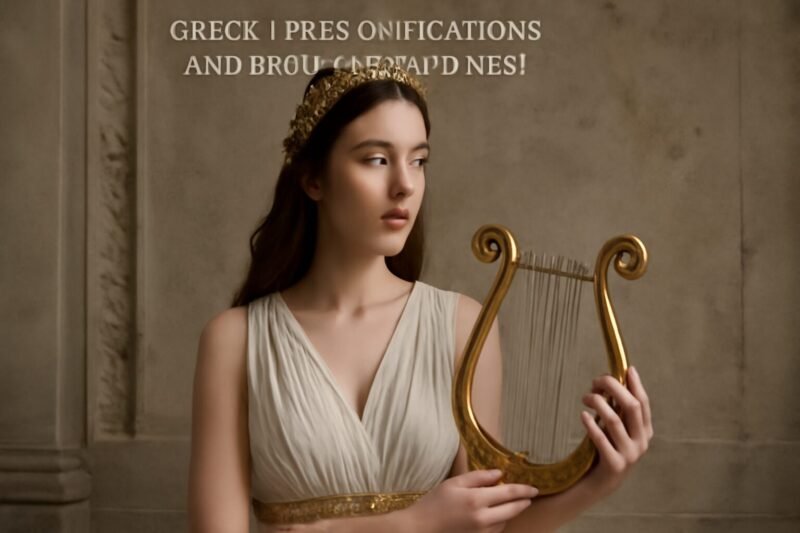
Her symbols included the necklace (representing both beauty and curse), the lyre (symbolizing musical harmony), and sometimes a serpent, which in Greek culture could signify both wisdom and danger.
Cultural Significance
Harmonia's myth served as a cautionary tale about the fragility of peace and the unintended consequences of divine gifts. The cursed necklace became a recurring motif in Greek tragedies, illustrating how even harmony could be corrupted. Her marriage to Cadmus—a mortal who became a god—also symbolized the blending of divine and human realms.
In later traditions, Harmonia was sometimes conflated with Concordia in Roman mythology, further solidifying her role as a universal symbol of balance. Artists and philosophers throughout antiquity referenced her as an ideal to strive for in both personal relationships and civic life.
Alternative Names for Harmonia
God Name: Concordia (Roman)
In Roman mythology, Harmonia was equated with Concordia, the goddess of harmony and concord. Concordia represented agreement and understanding, similar to Harmonia's role in Greek mythology.
God Name: Harmonia (Greek)
The primary Greek name for the goddess, representing harmony and concord. She was the daughter of Ares and Aphrodite, symbolizing the unity of love and war.
God Name: Homonoia (Greek (Epithet))
An epithet sometimes associated with Harmonia, meaning 'oneness of mind' or 'concord.' It emphasizes the aspect of harmony in thought and agreement among people.
Tales about Harmonia
Harmonia and the Serpent of Ares
When Ares, the god of war, learned of the union between his lover Aphrodite and Hephaestus, his rage knew no bounds. In his fury, he sought to curse their daughter Harmonia, the embodiment of harmony. Ares crafted a magnificent necklace, woven with threads of discord and enchanted with his wrath, presenting it as a wedding gift when she married Cadmus of Thebes.
The Curse Unfolds
Though beautiful, the necklace carried Ares' malice. Whenever worn, it sowed strife and misfortune. Harmonia, whose very nature was concord, found herself at the center of turmoil—family disputes, political unrest, and eventually the transformation of her and Cadmus into serpents. The curse of Ares turned harmony into suffering, a bitter irony orchestrated by the god of war.
Harmonia and the Healing of Asclepius
During the tumultuous years of the Theban wars, Harmonia witnessed endless suffering. Moved by compassion, she sought the aid of Asclepius, the god of medicine. Together, they ventured into battlefields, where Asclepius healed physical wounds while Harmonia soothed fractured spirits.
A Partnership of Balance
Their collaboration became legendary. Asclepius would mend broken bones, and Harmonia would resolve conflicts among soldiers and civilians alike, restoring peace where chaos reigned. This partnership highlighted how physical healing and emotional harmony are intertwined, a lesson revered in ancient practices. Temples dedicated to both deities often stood side by side, honoring their complementary powers.
Frequently Asked Questions
Who is Harmonia in Greek mythology?
Harmonia is the Greek goddess of harmony and concord. She is the daughter of Ares (god of war) and Aphrodite (goddess of love), symbolizing the balance between love and conflict.
What are daimones in Greek mythology?
Daimones are minor deities or spirits in Greek mythology that personify abstract concepts, forces of nature, or human conditions. They are lesser divine beings that influence daily life and human experiences.
Why is Harmonia important in Greek mythology?
Harmonia represents the ideal of peaceful coexistence and balance. Her importance lies in symbolizing how opposing forces (like her parents, war and love) can create harmony when properly balanced.
What can we learn from the myth of Harmonia?
Harmonia's story teaches about the importance of balance in relationships and society. It shows how harmony emerges from the reconciliation of opposing forces, a lesson still relevant in modern conflicts.
How are Greek personifications like Harmonia relevant today?
These personifications help us understand how ancient Greeks explained abstract concepts. Today, we still use similar ideas when we talk about 'keeping harmony' in relationships or society, showing their lasting cultural influence.