Eurytion: The Fierce Centaur of Greek Mythology
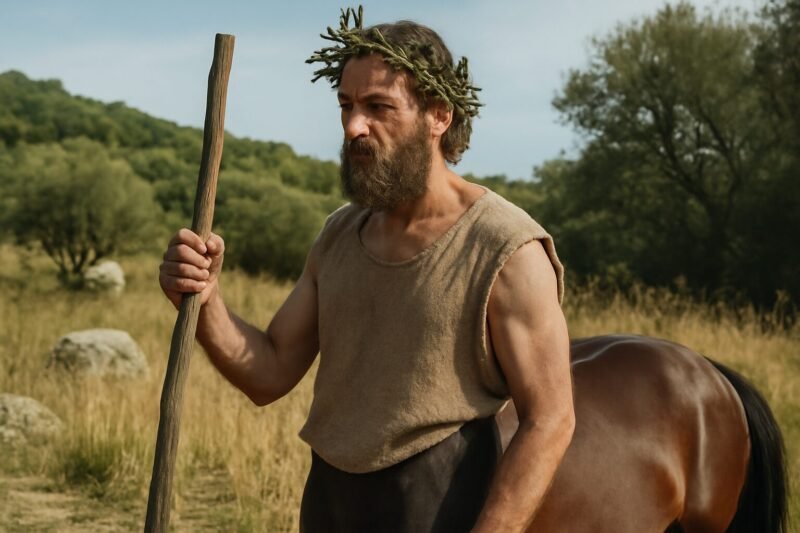
In Greek mythology, Eurytion was a centaur—a creature with the upper body of a man and the lower body of a horse—known for his violent temper and involvement in some of the most infamous clashes between centaurs and heroes. His name, meaning "widely honored" or "far-ruling," is ironic given his reputation for chaos and brutality.
Mythology and Notable Stories
Eurytion appears in several myths, most notably in the story of the Centauromachy, the great battle between the centaurs and the Lapiths. This conflict erupted during the wedding of Pirithous, king of the Lapiths, when the centaurs, intoxicated by wine, attempted to abduct the bride and other women. Eurytion was among the most aggressive, leading the charge in the violent melee that followed. The battle ended in the centaurs' defeat, reinforcing the Greeks' view of them as wild, uncivilized beings.
Another famous tale involves Heracles (Hercules). Eurytion served as a herdsman for King Geryon, a three-bodied giant, guarding his prized red cattle. When Heracles arrived to steal the cattle as part of his Twelve Labors, Eurytion fought fiercely but was ultimately slain by the hero's club. This encounter further cemented Eurytion’s role as a formidable but doomed adversary.
Powers and Characteristics
Like all centaurs, Eurytion possessed immense strength, speed, and endurance, combining human intelligence with equine power. However, his defining trait was his uncontrollable rage, often fueled by wine or provocation. Unlike the wise centaur Chiron, Eurytion embodied the darker side of his kind—prone to violence and lacking restraint.
Relationships and Significance
Eurytion’s interactions with other mythological figures highlight the tension between civilization and savagery. His clashes with heroes like Heracles and Theseus symbolize the struggle to overcome primal instincts. In some versions of myth, he is also linked to Deianira, the wife of Heracles, whom he once pursued, further illustrating his role as an antagonist.
Though not as famous as other centaurs, Eurytion remains a compelling figure in Greek mythology, representing the untamed forces that heroes must conquer to uphold order. His stories serve as cautionary tales about the dangers of excess and unchecked aggression.
Alternative Names for Eurytion
God Name: Eurytus (Roman)
Eurytus is the Roman equivalent of the Greek god Eurytion. The name is a Latinized version of the original Greek name, often used in Roman mythology to refer to the same deity or figure.
God Name: Eurythion (Greek (variant))
Eurythion is a variant spelling of Eurytion found in some ancient Greek texts. It may represent regional or dialectal differences in the pronunciation or transcription of the name.
Tales about Eurytion
Eurytion and the Healing of Asclepius
In the rugged hills of Thessaly, Eurytion, a centaur known for his strength and occasional wisdom, once suffered a grievous wound from a poisoned arrow during a skirmish with rival tribes. As the venom spread, weakening his mighty frame, his fellow centaurs carried him to the sacred grove of Asclepius, the god of medicine and healing.
A Divine Intervention
Asclepius, moved by Eurytion's resilience, appeared with a caduceus in hand. He applied a poultice of rare herbs and chanted incantations that called upon the regenerative powers of the earth. Eurytion, though skeptical of divine aid, felt the poison recede and his strength return. Grateful, he vowed to protect the grove and those who sought healing there, forging an unexpected alliance between centaur and god.
Eurytion's Clash with Ares
During a violent border dispute between the Lapiths and centaurs, Eurytion found himself face-to-face with Ares, the god of war, who had taken the side of the Lapiths. The air crackled with tension as the two warriors sized each other up, one fueled by mortal rage, the other by divine bloodlust.
The Battle of Wills
Eurytion, though no match for the god's immortality, fought with ferocious cunning, using the terrain to his advantage. He dodged Ares' spear and landed a blow that surprised even the war god. Though Ares ultimately disarmed him, he respected Eurytion's bravery and spared his life, declaring, "Such valor is rare even among my own followers." This encounter became a legendary tale of a mortal challenging a god and earning his respect.
Frequently Asked Questions
Who is Eurytion in Greek mythology?
Eurytion is a lesser-known rustic deity in Greek mythology, often associated with herdsmen and cattle. He appears in various myths, sometimes as a centaur or a figure involved in heroic tales like the Labors of Hercules.
What does Eurytion represent in Greek mythology?
Eurytion symbolizes the wild and untamed aspects of nature, often linked to rural life and pastoral duties. As a rustic deity or centaur, he embodies the challenges and chaos that heroes must overcome.
Why is Eurytion important in Greek myths?
Eurytion's importance lies in his role as a foil to heroes like Hercules. His stories highlight themes of order versus chaos and the struggle to tame nature, which were central to many Greek myths.
What can we learn from the myths about Eurytion?
Eurytion's myths teach lessons about the consequences of unchecked wildness and the importance of balance between civilization and nature. They also reflect ancient Greek values of heroism and overcoming adversity.
How does Eurytion's story apply to modern life?
Eurytion's tales remind us of the ongoing tension between human progress and respecting natural boundaries. They encourage reflection on how we interact with the environment and the wild aspects of our own lives.