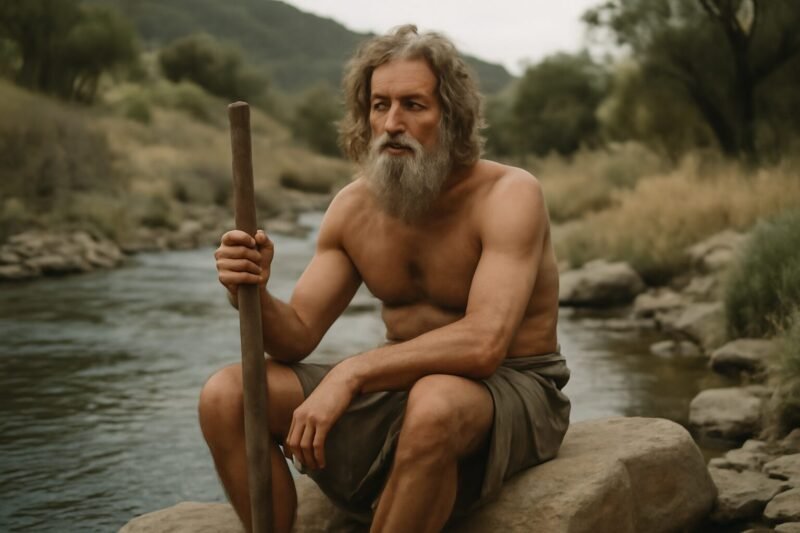
Eurotas: The River God of Sparta
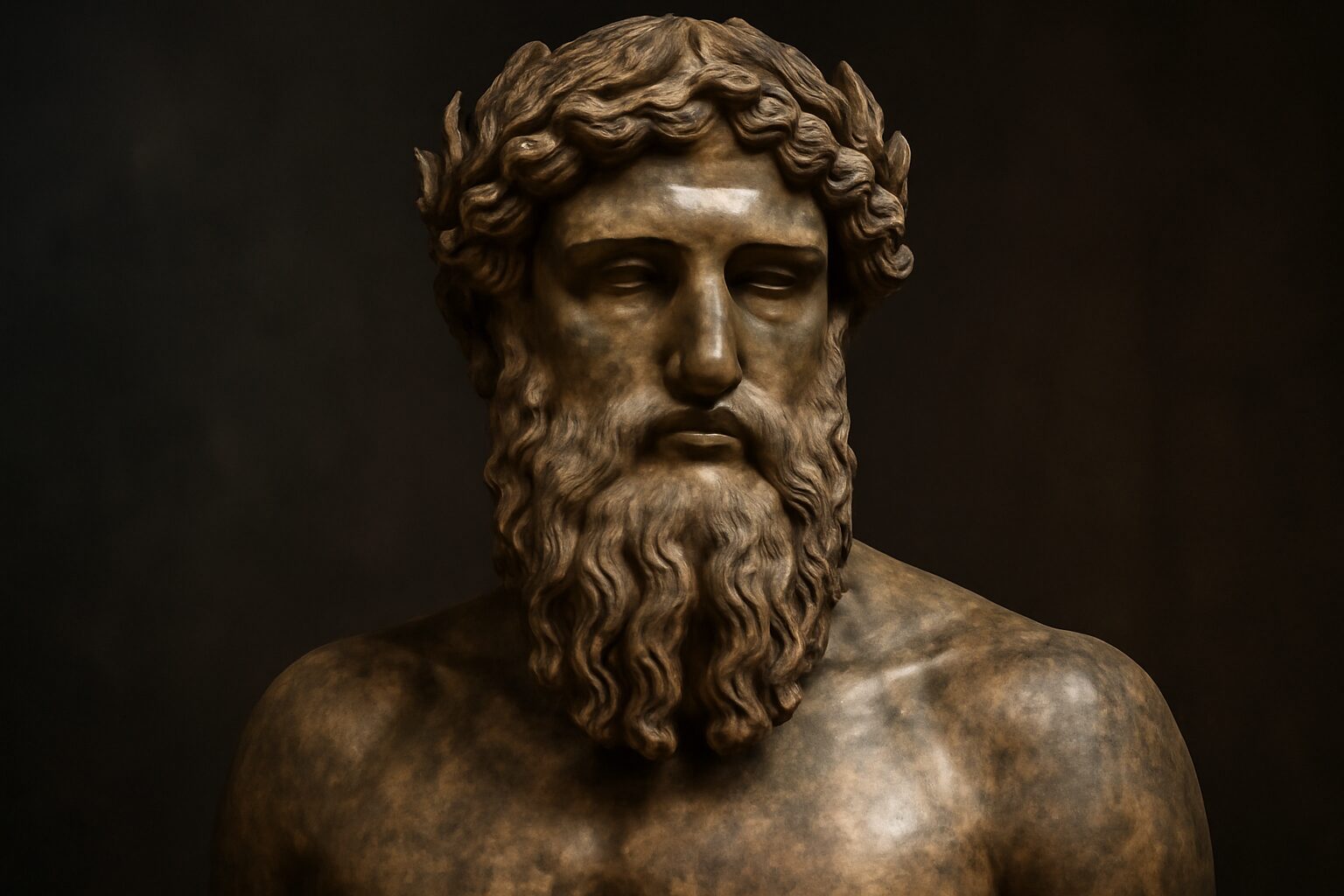
In Greek mythology, Eurotas was the divine personification of the Eurotas River, the lifeblood of the Spartan region in the Peloponnese. As a river god, he played a crucial role in the myths and daily life of ancient Sparta, shaping both its geography and its legendary history.
Mythological Origins
According to legend, Eurotas was the son of Myles, an early king of Laconia, and the grandson of Lelex, the region's first ruler. Some versions suggest he was instead the son of the primordial sea god Oceanus, linking him to the broader family of water deities. Eurotas inherited his kingdom but had no male heirs, leading to the succession of his son-in-law, Lacedaemon, who named the land after his wife (Eurotas' daughter) Sparta.
The Creation of the Eurotas River
The most famous myth about Eurotas tells how he drained the stagnant waters covering the Laconian plain to create his namesake river. By digging channels through the land, he transformed the swampy region into fertile territory - an act that would make the valley ideal for the future Spartan civilization. This hydraulic feat mirrored the practical importance of river management in ancient Greece.
Divine Powers and Worship
As a river deity, Eurotas possessed the typical powers of freshwater gods: control over his waters, the ability to grant fertility to the land, and prophetic powers (as many rivers were believed to have oracular functions). Though not one of the major Olympians, Eurotas was honored locally in Sparta, particularly near his river. The Spartans held annual sacrifices to him, recognizing his vital role in their agricultural success and military security - the Eurotas formed a natural defensive barrier for their city.
Significance in Spartan Culture
The Eurotas River was so central to Spartan identity that the phrase "to drink from the Eurotas" became synonymous with being Spartan. Kings were buried near its banks, and its waters featured prominently in coming-of-age rituals for Spartan youth. The river's seasonal flows even influenced Spartan military campaigns, as they timed their movements based on its fordability.
While not as widely known as other Greek deities, Eurotas represents how local nature gods shaped regional identities. His myth reflects the ancient Greek understanding of their landscape as divinely shaped and intimately connected to human civilization.
Alternative Names for Eurotas
God Name: Eurotas (Greek)
The primary name of the river god in Greek mythology, associated with the river Eurotas in Laconia.
God Name: None attested (Roman)
There is no widely recognized Roman equivalent or alternative name for the god Eurotas. Roman mythology did not typically adopt this particular river god.
God Name: Potamos (Greek (epithet))
An epithet meaning 'river,' sometimes used to refer to Eurotas in a general sense, emphasizing his role as a river deity.
Tales about Eurotas
The Healing Waters of Eurotas and Aceso
In the ancient lands of Laconia, the river god Eurotas watched over his flowing domain with pride. One scorching summer, a mysterious blight afflicted the surrounding flora and fauna, causing withering and decay that even the nymphs could not reverse. Desperate, Eurotas journeyed to seek the aid of Aceso, the goddess of healing and curing ills.
Aceso, moved by the river's plight, descended to his banks. She dipped her hands into his waters, chanting hymns of restoration. Instantly, Eurotas’s currents shimmered with a golden light, and wherever his waters touched, life rejuvenated—flowers bloomed, trees bore fruit, and animals regained their vigor. Grateful, Eurotas pledged that his river would forever carry a trace of her healing essence, a gift to all who drank from it.
Legacy of the Pact
To this day, the Eurotas River is said to possess minor curative properties, a timeless reminder of the bond between the nurturing river and the compassionate goddess.
Eurotas and the Winds of Eurus
Another tale tells of a great drought that parched the lands fed by Eurotas. The river’s levels dropped perilously low, threatening the survival of Sparta. In his distress, Eurotas called upon Eurus, the god of the east wind, known to bring both gentle breezes and tumultuous storms.
Eurus, intrigued by the river god’s earnest plea, swept down from the skies. He gathered moisture from distant seas and blew it inland, guiding rain clouds over the mountains. Torrential rains followed, swelling Eurotas to abundance once more. In thanks, Eurotas promised that his waters would always reflect the sky, honoring Eurus’s dominion over the air.
A Symbiotic Harmony
This alliance between water and wind became legendary, illustrating how nature’s forces collaborate to sustain life, with the river and the wind forever intertwined in myth.
Frequently Asked Questions
Who is Eurotas in Greek mythology?
Eurotas is a rustic deity in Greek mythology, known as the god of the Eurotas River in Laconia. He is often associated with the natural world and is considered a minor figure compared to the major Olympian gods.
Why is Eurotas important in Greek mythology?
Eurotas is important because he represents the life-giving and sustaining qualities of rivers in ancient Greek culture. The Eurotas River was vital to the region of Sparta, and the deity symbolizes the connection between nature and human civilization.
What can we learn from the story of Eurotas?
The story of Eurotas teaches us about the ancient Greeks' reverence for natural elements like rivers, which were seen as divine. It highlights how they personified natural forces to explain and honor the environment around them.
Are there any myths or stories about Eurotas?
There are few detailed myths about Eurotas, but he is often mentioned as the father of Sparta, the wife of King Lacedaemon. His legacy is more tied to the geographical and cultural significance of the Eurotas River rather than elaborate tales.
How does the concept of Eurotas apply today?
Today, Eurotas reminds us of the importance of respecting and preserving natural resources like rivers. His myth reflects the timeless connection between humans and nature, a theme that remains relevant in environmental discussions.