
Eidyia: The Goddess of Knowledge and Perception
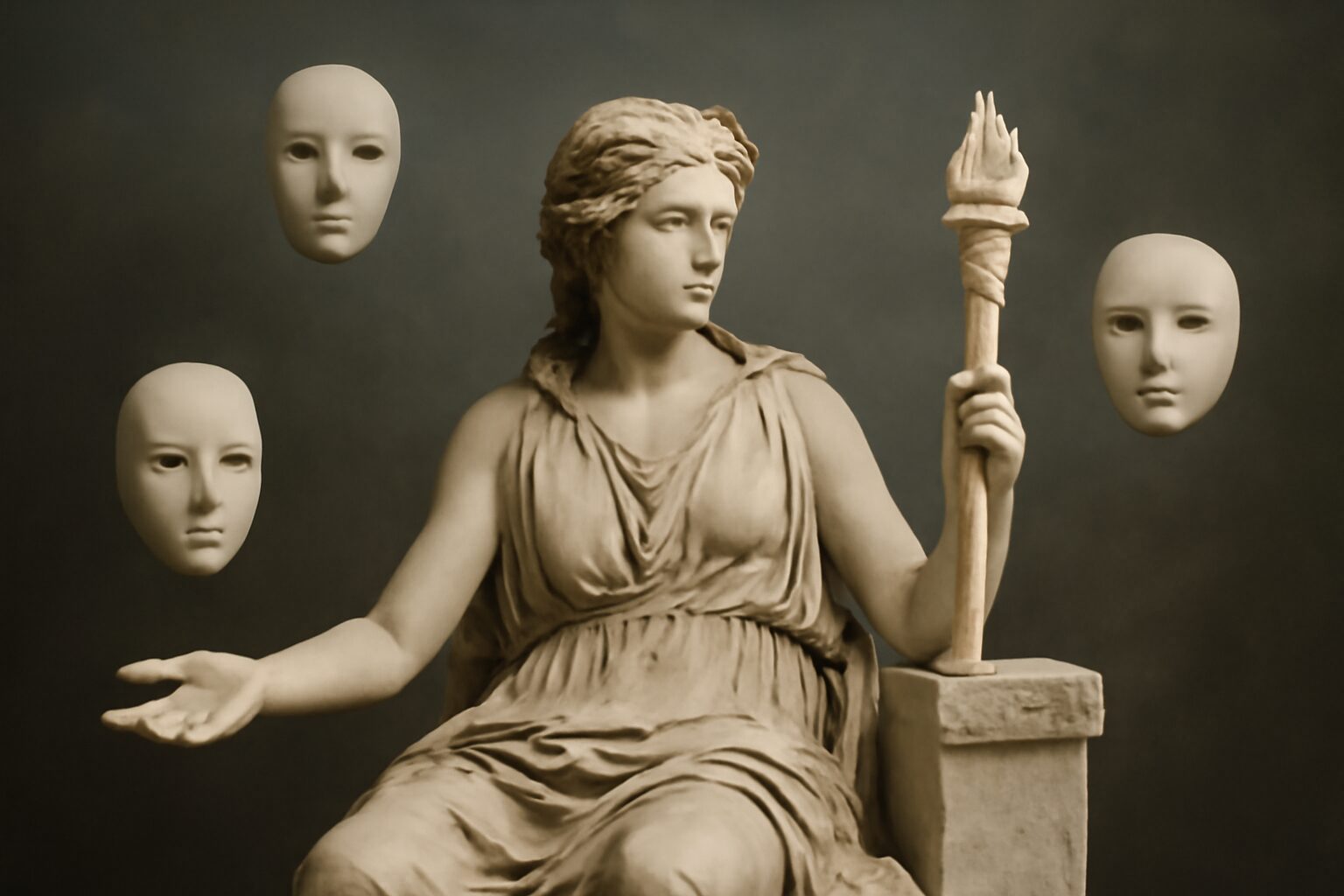
In Greek mythology, Eidyia (also spelled Idyia) is a lesser-known but fascinating deity associated with knowledge, perception, and sight. Her name derives from the Greek word eidô, meaning "to see" or "to know," reflecting her connection to insight and understanding. As an Oceanid, she belongs to the family of nymphs who are the daughters of the Titans Oceanus and Tethys.
Mythology and Family
Eidyia is most famously known as the wife of King Aeëtes of Colchis, the powerful sorcerer and ruler of the land where the Golden Fleece was kept. Together, they had two notable children: Medea, the infamous sorceress who aided Jason in his quest for the Golden Fleece, and Absyrtus, whose tragic fate is tied to Medea's escape with Jason.
Her lineage as an Oceanid places her among the 3,000 water nymphs who personified rivers, springs, and other bodies of water. While not as prominent as some Olympian gods, Eidyia's role as a mother and wife in the myth of the Argonauts ties her to one of Greek mythology's most epic adventures.
Powers and Symbolism
Eidyia's domain over knowledge and perception suggests she may have been associated with divine insight or even prophecy, though specific myths detailing her powers are scarce. Given her daughter Medea's formidable magical abilities, it's possible Eidyia herself possessed mystical knowledge, passed down through generations.
Her connection to sight and understanding also aligns her with themes of wisdom and clarity, making her a subtle but important figure in the broader tapestry of Greek mythology's intellectual and mystical traditions.
Significance in Greek Mythology
Though Eidyia appears only briefly in surviving myths, her presence is significant. As the mother of Medea, she is linked to one of mythology's most complex and powerful women—a figure who defied expectations and wielded magic to shape her own destiny. Eidyia's role highlights the often-overlooked influence of nymphs and minor goddesses in shaping legendary narratives.
Her association with perception also serves as a reminder of the Greeks' reverence for knowledge and the unseen forces that guide human understanding. In a world where gods and mortals often grappled with fate and free will, Eidyia's legacy endures as a symbol of the deeper truths that lie beyond mere sight.
Alternative Names for Eidyia
God Name: Idyia (Greek)
An alternative spelling of Eidyia, found in some ancient Greek texts. The variation in spelling reflects regional dialects or transcription differences over time.
God Name: Eidothea (Greek)
In some interpretations, Eidothea is considered a variant or epithet of Eidyia, linking her to knowledge or divine insight, though this connection is debated among scholars.
God Name: None (Roman)
Eidyia does not have a direct Roman counterpart or alternative name in Roman mythology. She remains primarily a figure within Greek mythos without significant syncretism in Roman culture.
Tales about Eidyia
Eidyia and the Healing Waters of Aceso
In the lush groves of Eidyia's domain, where knowledge and nature intertwined, a strange malaise began to affect the flora. Flowers wilted without cause, and the trees whispered in distress. Eidyia, with her deep understanding of the natural world, sensed that this was no ordinary blight but a sickness of spirit that required divine intervention.
She journeyed to the serene springs where Aceso, the goddess of the healing process, resided. Aceso, whose presence was as calming as still waters, listened to Eidyia's concerns. Together, they devised a remedy: a blend of Aceso's restorative waters and Eidyia's enchanted herbs, applied under the light of the full moon.
As they worked side by side, Eidyia shared tales of ancient wisdom, while Aceso imbued the mixture with her soothing energy. The resulting elixir, when sprinkled across the land, not only revived the vegetation but also left a lingering aura of health and tranquility. This collaboration between knowledge and healing became a celebrated myth, illustrating how wisdom and care can restore balance to the world.
Eidyia and the River God Achelous
One scorching summer, the rivers near Eidyia's grove began to recede, threatening the livelihood of all who depended on them. Eidyia, ever perceptive, knew that the mighty river god Achelous held the key to this dilemma. She ventured to his tumultuous waters, where Achelous, in his bull-headed form, guarded the flow with fierce determination.
Approaching with respect, Eidyia offered not a demand but a proposition: her vast knowledge of the land's secrets in exchange for his aid. Intrigued by her intelligence and courage, Achelous agreed to hear her out. Eidyia revealed hidden underground streams that, if diverted, could feed his river without diminishing his power.
Achelous, impressed by her insight, used his strength to channel these waters, restoring the rivers to their former glory. In gratitude, he gifted Eidyia a horn filled with ever-flowing water, symbolizing their alliance. This story highlights the power of knowledge and negotiation, showing how even the mightiest forces can be swayed by wisdom and mutual respect.
Frequently Asked Questions
Who is Eidyia in Greek mythology?
Eidyia is a lesser-known rustic deity in Greek mythology, often associated with knowledge or sight. She is sometimes considered the wife of the Colchian king Aeu00ebtes and mother of Medea, linking her to famous myths like Jason and the Golden Fleece.
What are rustic deities in Greek mythology?
Rustic deities are minor gods and spirits in Greek mythology associated with nature, rural life, and the wilderness. They include nymphs, satyrs, and other local spirits who personify natural features like rivers, trees, or mountains.
Why are figures like Eidyia important in Greek myths?
While not as prominent as major gods, rustic deities like Eidyia add depth to Greek mythology by representing specific aspects of nature and human experience. They often appear in local legends and help explain natural phenomena through storytelling.
How does Eidyia connect to more famous Greek myths?
Eidyia's main significance comes through her family connections - as the possible mother of Medea, she ties into the epic tale of Jason and the Argonauts. This shows how minor deities were woven into larger mythological narratives.
What can we learn from rustic deities like Eidyia today?
These figures remind us of how ancient Greeks saw divinity in all aspects of nature. They represent an animistic worldview where every stream, tree, and natural feature had spiritual significance, offering insights into ancient environmental perspectives.