
Dysnomia: The Spirit of Lawlessness
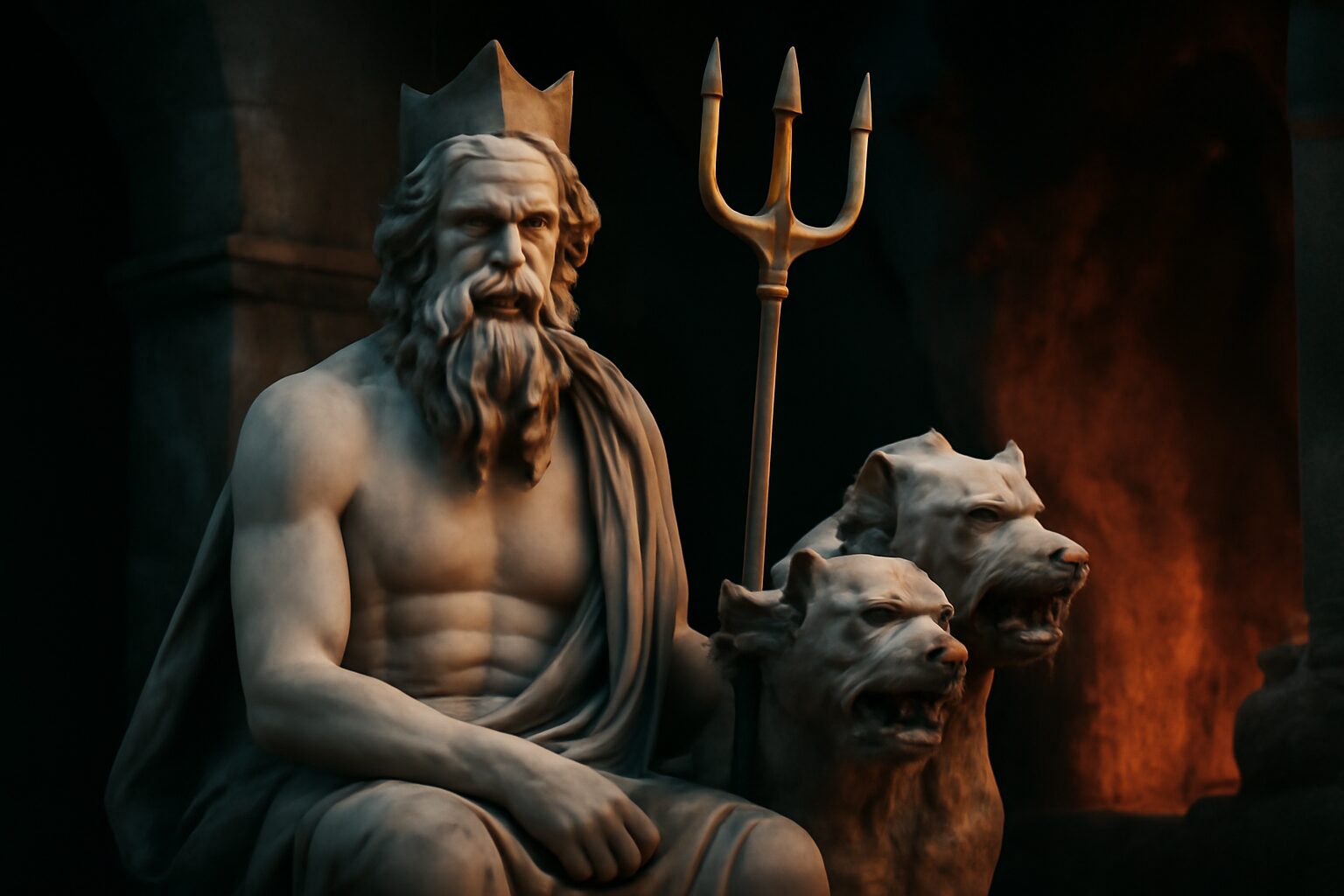
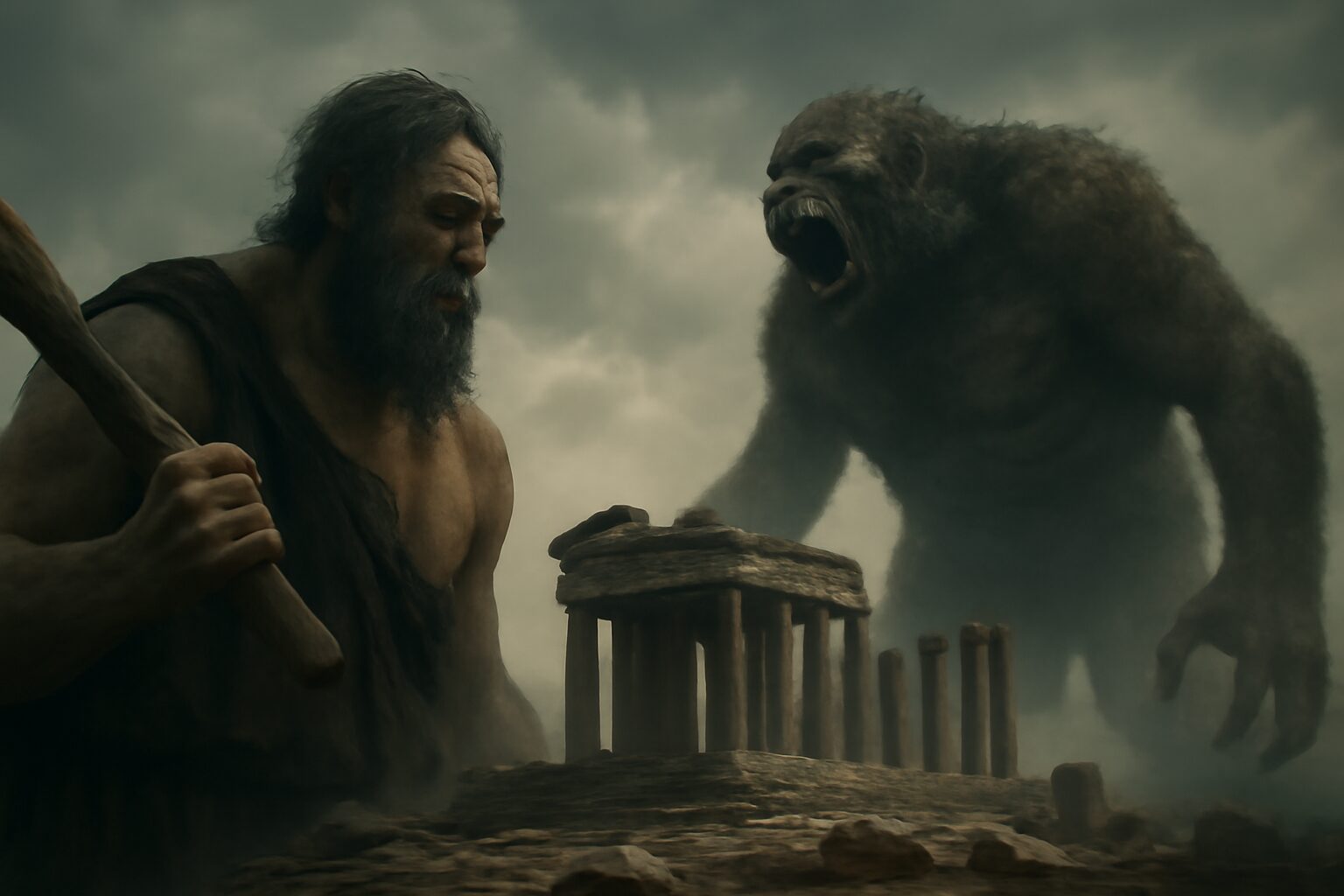
In Greek mythology, Dysnomia (Δυσνομία) is the lesser-known but powerful daemon (spirit) representing lawlessness, civil disorder, and the breakdown of societal norms. Her name literally translates to "lawlessness" or "bad custom," making her the antithesis of Eunomia, the goddess of good order and lawful conduct.
Origins and Family
Dysnomia appears in Hesiod's Theogony as one of the daughters of Eris, the goddess of strife and discord. She belongs to a fearsome family of destructive spirits, including her sisters Ate (ruin), Lethe (forgetfulness), and Ponos (toil). As part of Eris' chaotic lineage, Dysnomia embodies the destructive consequences of unchecked conflict in human society.
Role and Symbolism
Dysnomia personifies the collapse of legal systems and social contracts. Where her sister Eunomia brings harmony, Dysnomia sows discord by encouraging rebellion, anarchy, and the rejection of laws. Ancient Greeks viewed her influence as particularly dangerous during times of political upheaval or war, when societal structures weakened.
In Plato's works, Dysnomia appears as a force opposing justice and proper governance. Philosophers warned that without balance (represented by Eunomia), Dysnomia's influence could lead civilizations into chaos.
Cultural Significance
While not as prominent as major Olympians, Dysnomia served as an important conceptual deity representing the Greeks' fear of societal collapse. Her existence reinforced the cultural value placed on nomos (law and custom) as the foundation of civilization.
Interestingly, Dysnomia's legacy extends to modern astronomy - one of Pluto's moons bears her name, perhaps referencing the distant dwarf planet's chaotic orbit and the mythological spirit's disruptive nature.
Alternative Names for Dysnomia
God Name: Discordia (Roman)
In Roman mythology, Dysnomia is sometimes equated with Discordia, the goddess of strife and discord. This association stems from the similar domains of chaos and lawlessness that both deities represent.
God Name: Adikia (Greek)
Adikia is a Greek goddess representing injustice and wrongdoing. She is sometimes conflated with Dysnomia due to their shared themes of moral and social disorder, though Adikia focuses more on the ethical aspects of lawlessness.
God Name: Eris (Greek)
Eris is the Greek goddess of strife and discord, closely related to Dysnomia in function. While Eris is more broadly associated with chaos and conflict, Dysnomia specifically embodies lawlessness, making them complementary figures in Greek mythology.
Tales about Dysnomia
The Unraveling of Order: Dysnomia and Eunomia
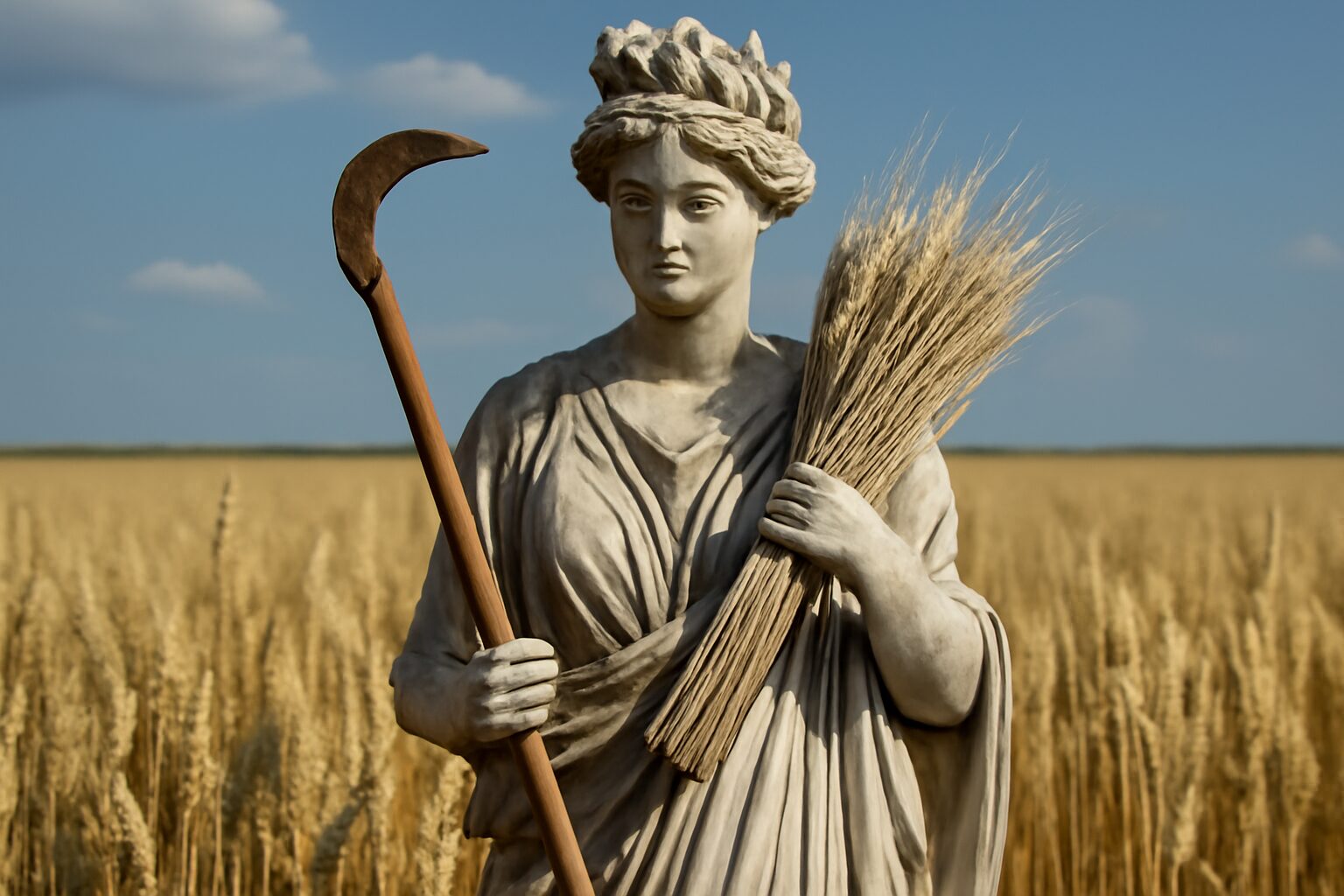
In the divine courts of Zeus, harmony was maintained by the gentle presence of Eunomia, the goddess of good order and lawful conduct. Her sister, Dysnomia, embodiment of lawlessness and civil disorder, watched from the shadows, seething with resentment. Where Eunomia brought structure, Dysnomia saw constraint; where there was peace, she saw stagnation.
A Challenge Issued
One fateful evening, as the gods feasted, Dysnomia stepped forward, her form flickering like a distorted reflection. "Sister," she declared, "your order is but a cage. True freedom lies in chaos!" Eunomia, calm and resolute, replied, "Without law, there is only suffering. I will not debate this."
Enraged, Dysnomia unleashed her power upon the mortal realm below. Cities descended into riots, agreements shattered, and justice became a mockery. Eunomia, though pained, did not retaliate with force. Instead, she descended among humanity, whispering reminders of fairness and empathy into the hearts of leaders and common folk alike.
The Balance Restored
Slowly, order began to reassert itself—not through domination, but through collective yearning for peace. Dysnomia, witnessing this, realized that her chaos had only highlighted the deep human need for Eunomia’s grace. Though she withdrew, her presence remained a eternal reminder: lawlessness challenges order, but order, tempered by compassion, endures.
The Whisper of Anarchy: Dysnomia and Zeus
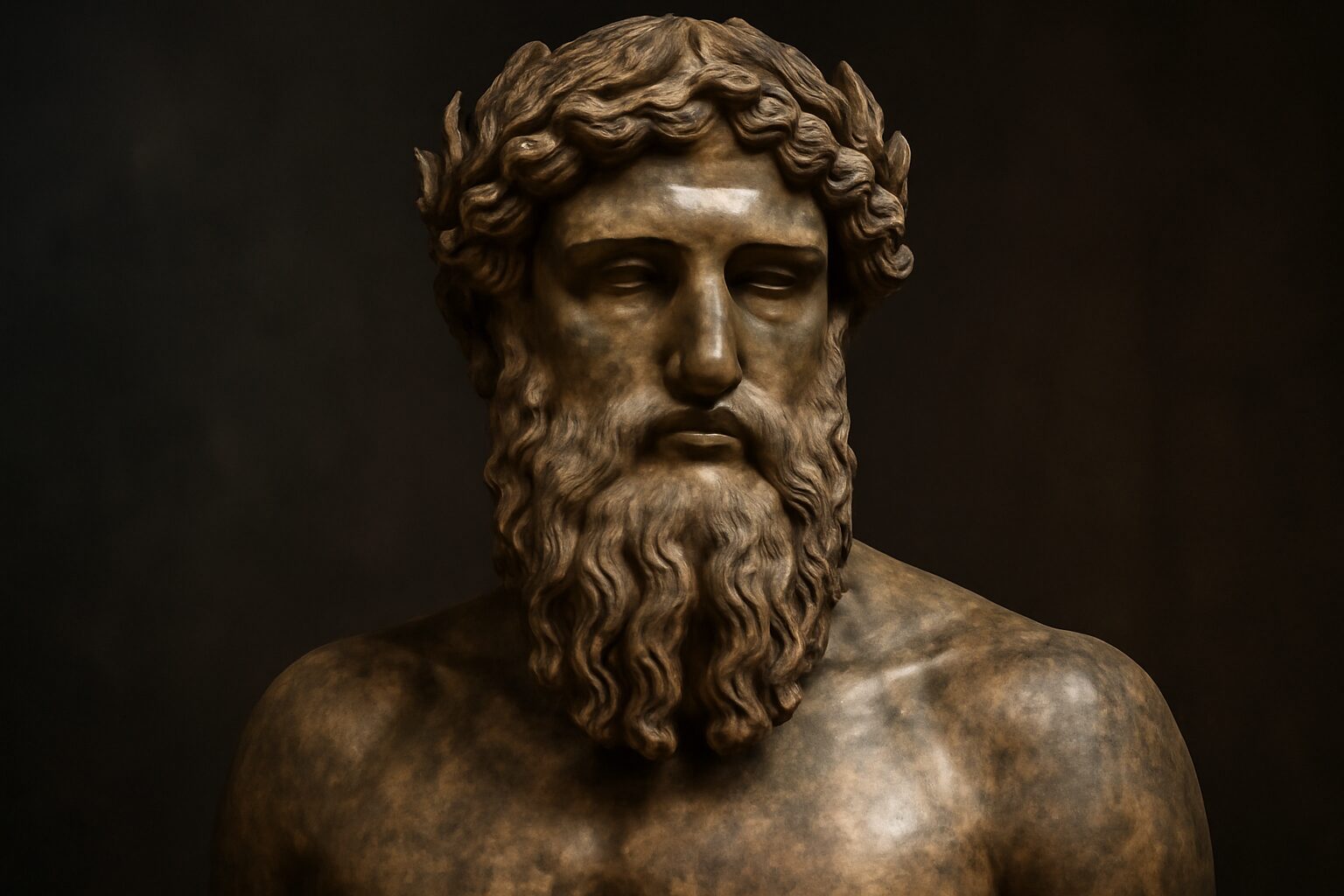
Even the mighty Zeus, ruler of Olympus, was not immune to the subtle corruptions of Dysnomia. It was she who, in a moment of divine mischief, planted the seed of lawlessness in the heart of the king of gods himself.
A Divine Temptation
As Zeus pondered a new decree for mortal conduct, Dysnomia appeared to him not as a foe, but as a captivating illusion—a shimmering, chaotic muse. "Why bind them with rules?" she whispered. "Let them revel in their raw nature. Would that not be a truer reflection of your power?"
For a moment, Zeus was tempted. The idea of unrestrained mortal passion appealed to his own unpredictable nature. He considered abolishing divine law, letting humanity spiral into beautiful, violent freedom.
The Thunderous Realization
But as he raised his hand to decree this new age, the voices of Dike (Justice) and Eunomia echoed in his mind, steady and clear. He saw visions of the suffering that pure lawlessness would unleash—the weak trampled, the honest betrayed.
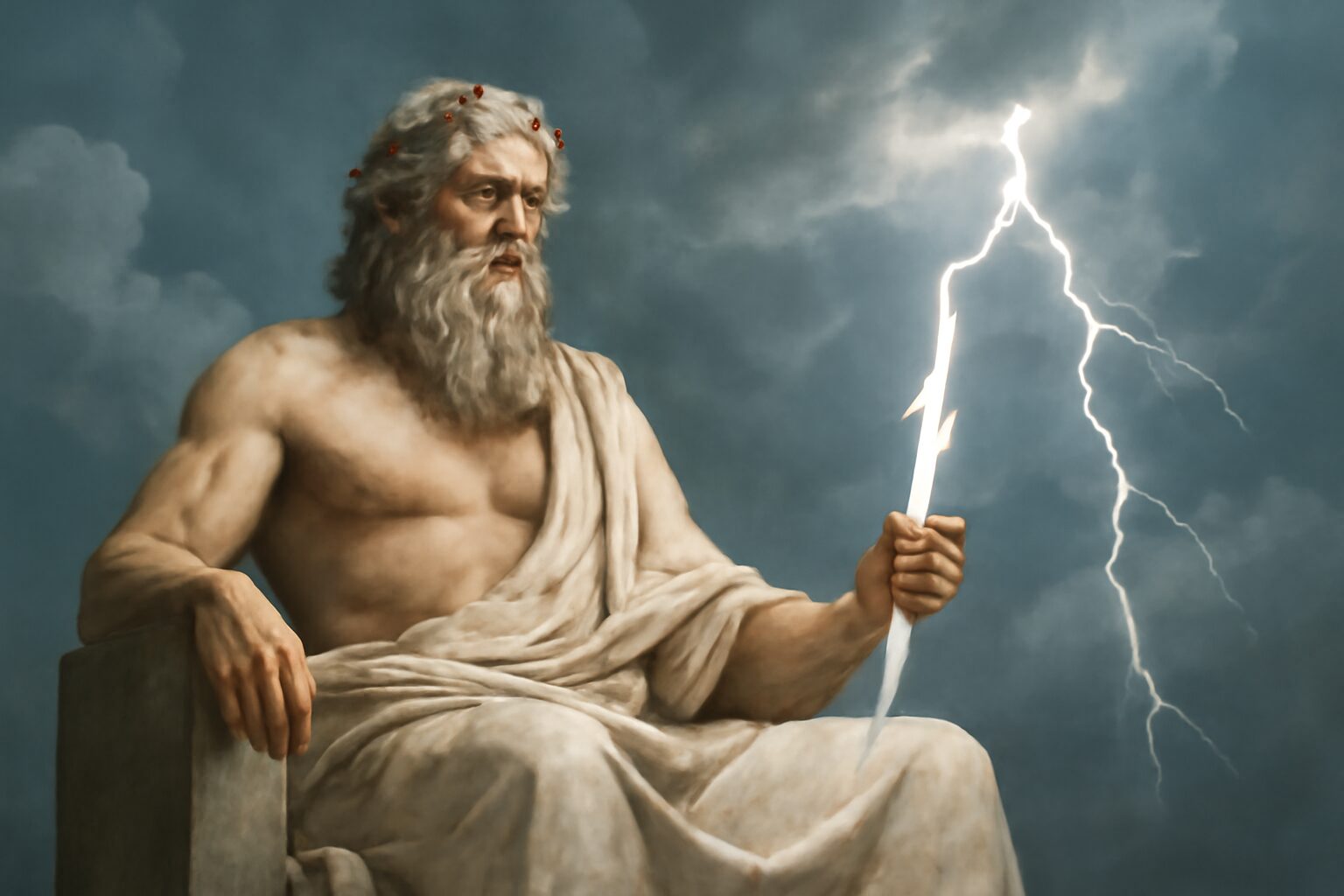
With a thunderous roar, Zeus rejected Dysnomia’s whisper. "Chaos serves no master, not even me," he declared. "Order is my gift to humanity." Dysnomia faded back into the shadows, her lesson taught: even the mightiest must respect the balance between freedom and law, lest all crumble into discord.
Frequently Asked Questions
Who is Dysnomia in Greek mythology?
Dysnomia is the Greek goddess or spirit (daimon) of lawlessness and poor civil order. She represents the breakdown of societal norms and is often associated with chaos and anarchy.
What is the significance of Dysnomia in Greek myths?
Dysnomia symbolizes the consequences of ignoring laws and social order. Her presence in myths serves as a warning about the dangers of chaos and the importance of maintaining structure in society.
How does Dysnomia relate to other Greek spirits (daimones)?
Dysnomia is part of a group of daimones, or minor deities/spirits, that personify abstract concepts. She is often contrasted with Eunomia, her sister, who represents good order and lawful conduct.
Can Dysnomia's myth teach us anything today?
Yes, Dysnomia's myth reminds us of the importance of laws and social harmony. It highlights how neglecting order can lead to chaos, a lesson still relevant in modern governance and community life.
Are there any stories or myths featuring Dysnomia?
Dysnomia appears in Hesiod's 'Theogony' as one of the children of Eris (Strife). She is mentioned alongside other negative spirits, emphasizing her role in spreading discord and lawlessness.