
Palici: The Twin Gods of Sicily
The Palici were mysterious twin deities worshiped primarily in ancient Sicily, revered as protectors of oaths, justice, and the natural world. Born from the union of Zeus and the nymph Thalia (or, in some versions, Hephaestus and Aetna), these divine brothers were central figures in Sicilian mythology and cult worship.
Origins and Mythology
According to legend, Thalia, fearing Hera's wrath, begged to be swallowed by the earth to hide her pregnancy. She later gave birth underground, and the twins emerged from a pair of sulfurous springs near Palike in eastern Sicily. These bubbling pools became their sacred site, known for their oracular powers.
The Palici were often depicted as young men, sometimes shown wearing the pilos, a conical hat common among Sicilian peasants. Their connection to the earth and subterranean waters gave them associations with fertility, agriculture, and the chthonic (underworld) realm.
Powers and Worship
As gods of oaths, the Palici presided over a unique form of trial by ordeal. Swearers would inscribe their oaths on tablets and throw them into the sacred pools - if the tablets floated, the oath was true; if they sank, it was false. The perjurer would reportedly be struck blind or suffer divine punishment.
Their other powers included:
- Protection of fugitives and supplicants
- Control over volcanic and geothermal phenomena
- Authority in matters of justice and asylum
Significance in Sicilian Culture
The Palici's sanctuary became an important neutral ground where even slaves could seek refuge. Their cult was particularly strong among the indigenous Sicel people before Greek colonization. The Romans later identified them with their own twin deities, the Lares.
Archaeological evidence shows their worship persisted into Roman times, with coins from the region depicting the twin gods. Their legacy endures in Sicilian place names and the continued fascination with the island's geothermal wonders.
Alternative Names for Palici
God Name: Palici (Roman)
The Roman name for the god is the same as the Greek, indicating a direct adoption of the deity into Roman religion without significant alteration.
God Name: Palikoi (Sicilian)
In Sicilian tradition, the gods were often referred to in the plural as 'Palikoi,' reflecting their dual nature or twin aspects, particularly associated with the geysers and hot springs of Sicily.
God Name: Dii Palici (Latin)
In Latin, the gods were sometimes referred to as 'Dii Palici,' emphasizing their divine status and their role as protectors of oaths and hospitality in Sicilian culture.
Tales about Palici
The Palici and the Oath of Zeus
In the volcanic lands of Sicily, the twin gods Palici were born from the earth itself, emerging from the chthonic depths near the sulfurous springs. Their unique origin as sons of Zeus and the nymph Thalia granted them a sacred role: guardians of oaths and justice. It was said that Zeus himself, in his wisdom, entrusted the twins with the power to witness and enforce solemn vows.
One tale tells of a dispute between two Sicilian kings, each swearing upon the name of Zeus to the truth of their claims. To settle the matter, they were directed to the Palici’s sanctuary, where oaths were taken over the bubbling, toxic waters. If a swearer spoke truthfully, they would emerge unharmed; if they lied, they would be met with divine retribution. Zeus, watching from Olympus, imbued the springs with his authority, and the Palici became living extensions of his will—ensuring that no oath taken in their presence could be broken without consequence.
The Healing Waters and Asclepius
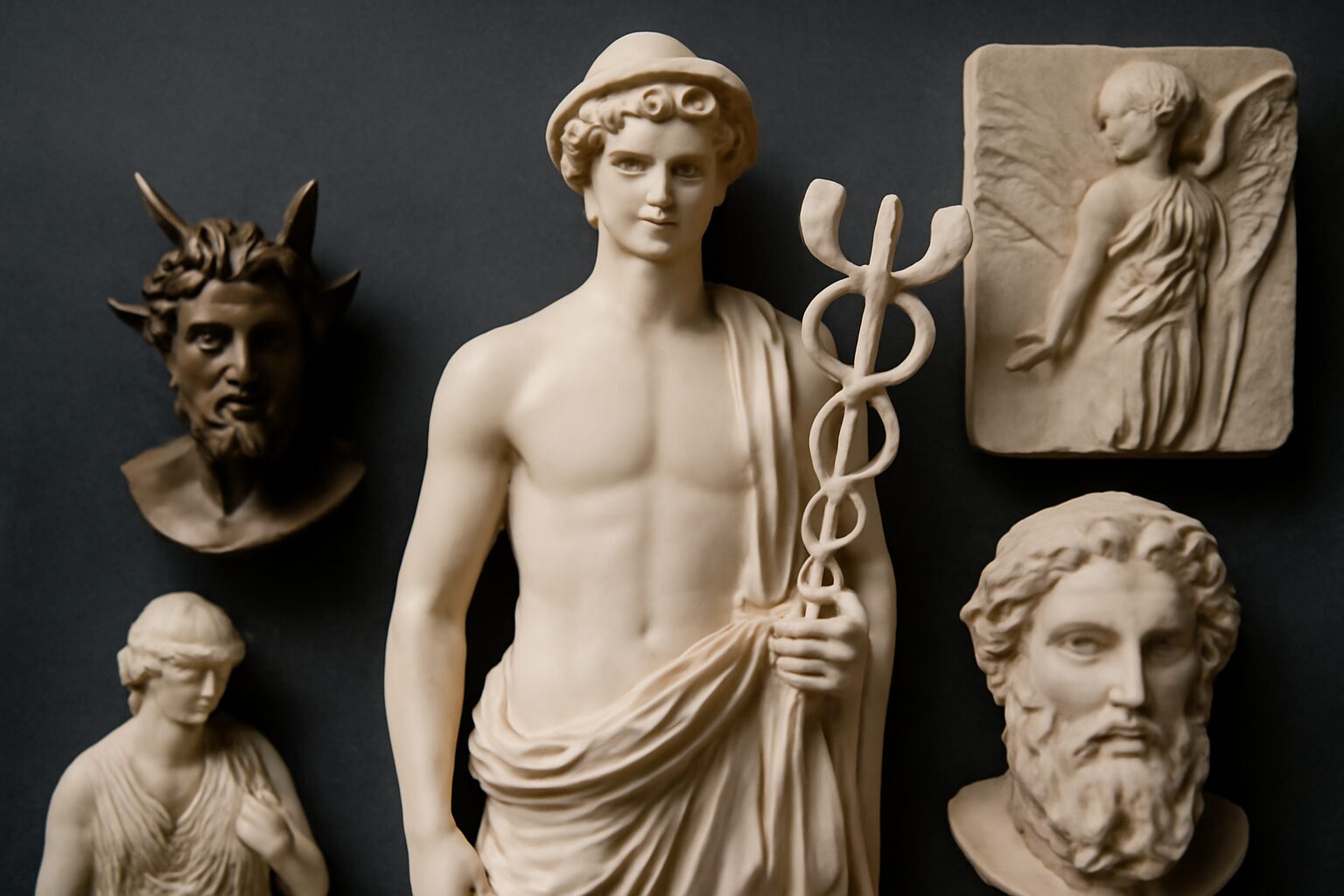
The Palici were not only arbiters of justice but also associated with the regenerative powers of their volcanic springs. Their connection to healing drew the attention of Asclepius, the god of medicine, who journeyed to Sicily seeking to understand the properties of the sulfurous waters.
Upon arriving, Asclepius was amazed by the curative reports surrounding the Palici’s domain. He collaborated with the twins, combining his knowledge of herbs and healing with the purifying, mineral-rich springs. Together, they devised rituals where the afflicted would bathe in the waters under the twins’ watch, invoking Asclepius’s blessing for recovery. This partnership emphasized the Palici’s role in both physical and spiritual purification, bridging the gap between chthonic power and medicinal grace.
Frequently Asked Questions
Who are the Palici in Greek mythology?
The Palici were rustic deities in Greek mythology, twin gods associated with geysers and the underworld. They were worshiped primarily in Sicily and were considered protectors of oaths and sacred places.
Why are the Palici important in Greek mythology?
The Palici were important because they were believed to oversee oaths and justice. People would swear oaths by them, and it was thought they would punish those who lied or broke their promises, making them key figures in maintaining honesty and order.
What can we learn from the Palici myths?
The myths of the Palici teach us about the ancient Greek emphasis on honesty, justice, and the sacredness of oaths. They highlight how natural phenomena, like geysers, were often linked to divine powers in mythology.
How do the Palici apply to modern life?
While not widely known today, the Palici's role as enforcers of oaths reminds us of the timeless value of keeping promises and the cultural importance of trust and accountability in human relationships.
Where were the Palici worshiped?
The Palici were primarily worshiped in Sicily, near the geysers and sulfur springs of Palagonia. Their cult was localized but significant in the region, reflecting the connection between local geography and religious beliefs.