Orthosie: The Greek Goddess of Prosperity
In Greek mythology, Orthosie (also spelled Orthosia) was one of the Horae, the goddesses of the seasons and the natural order of time. Her name translates to "Prosperity" or "Right Order," reflecting her role in ensuring abundance and balance in the natural world. Alongside her sisters, including Eunomia (Good Order) and Dike (Justice), Orthosie helped maintain harmony between the gods, humans, and nature.
Role and Significance
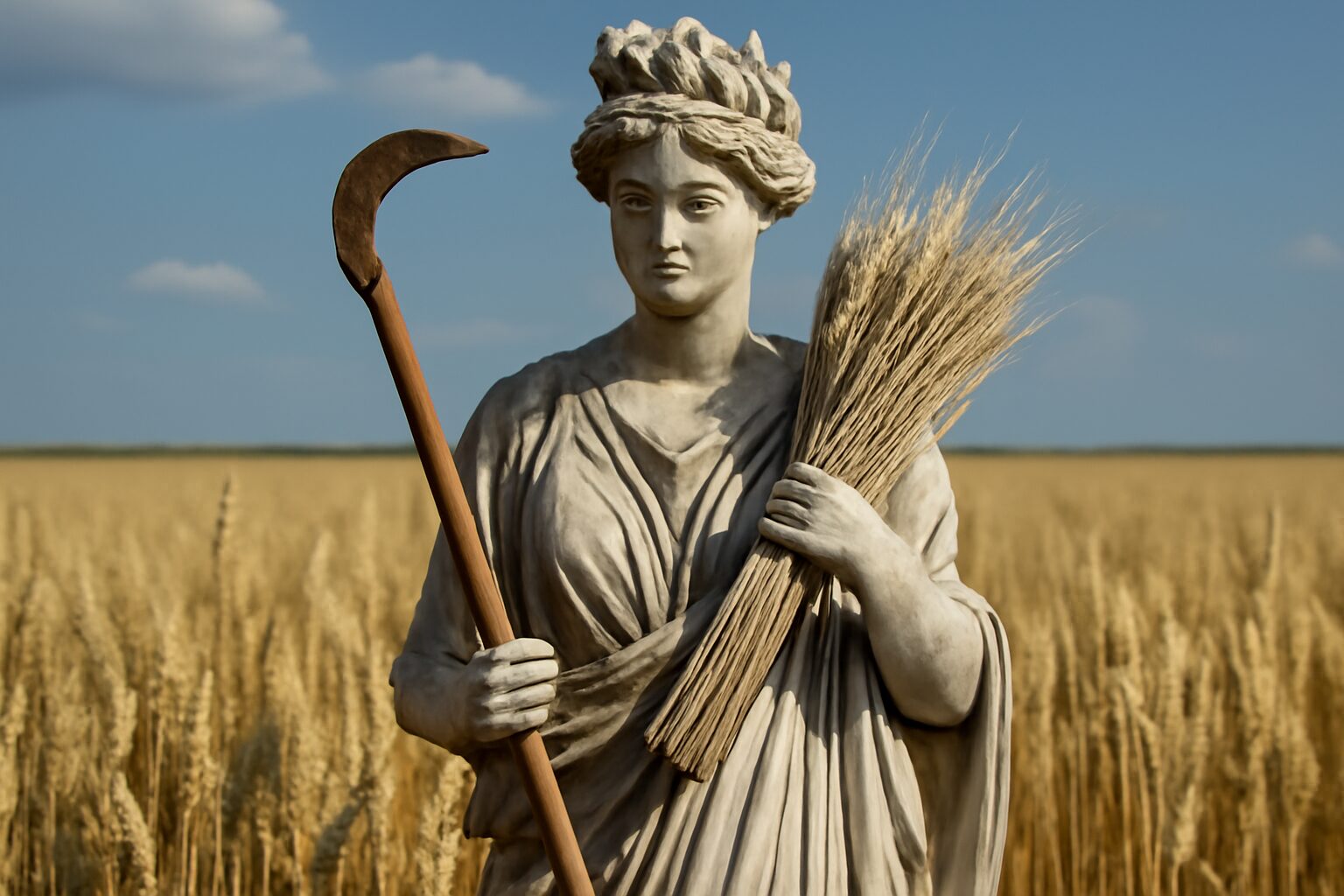
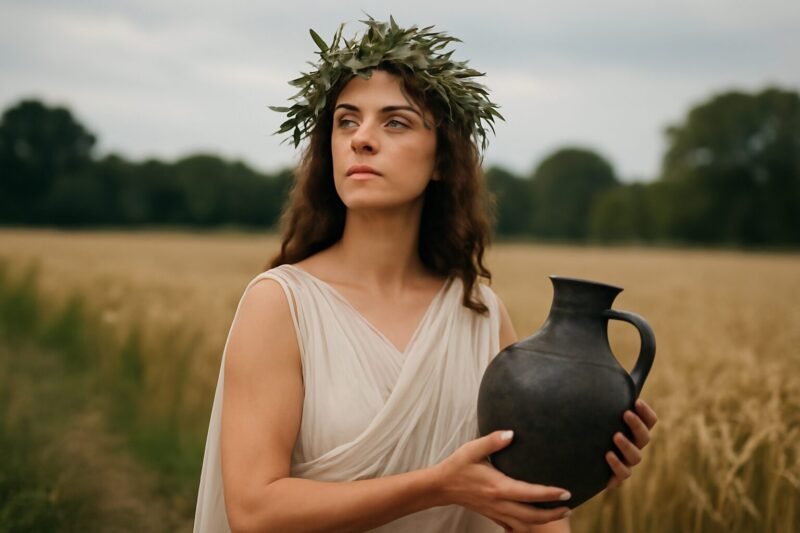
Orthosie was primarily associated with agricultural prosperity, overseeing the flourishing of crops and the bounty of harvests. As one of the Horae, she was a guardian of the seasons, ensuring that the earth transitioned smoothly from one phase to another. Her presence was believed to bring good fortune, particularly in farming communities where her blessings were sought for fertile lands and successful yields.
Though not as widely worshiped as some Olympian deities, Orthosie played a vital role in the Greek understanding of natural cycles. She symbolized the delicate balance between human effort and divine favor—without her influence, even the hardest work might not bear fruit.
Relationships and Mythology
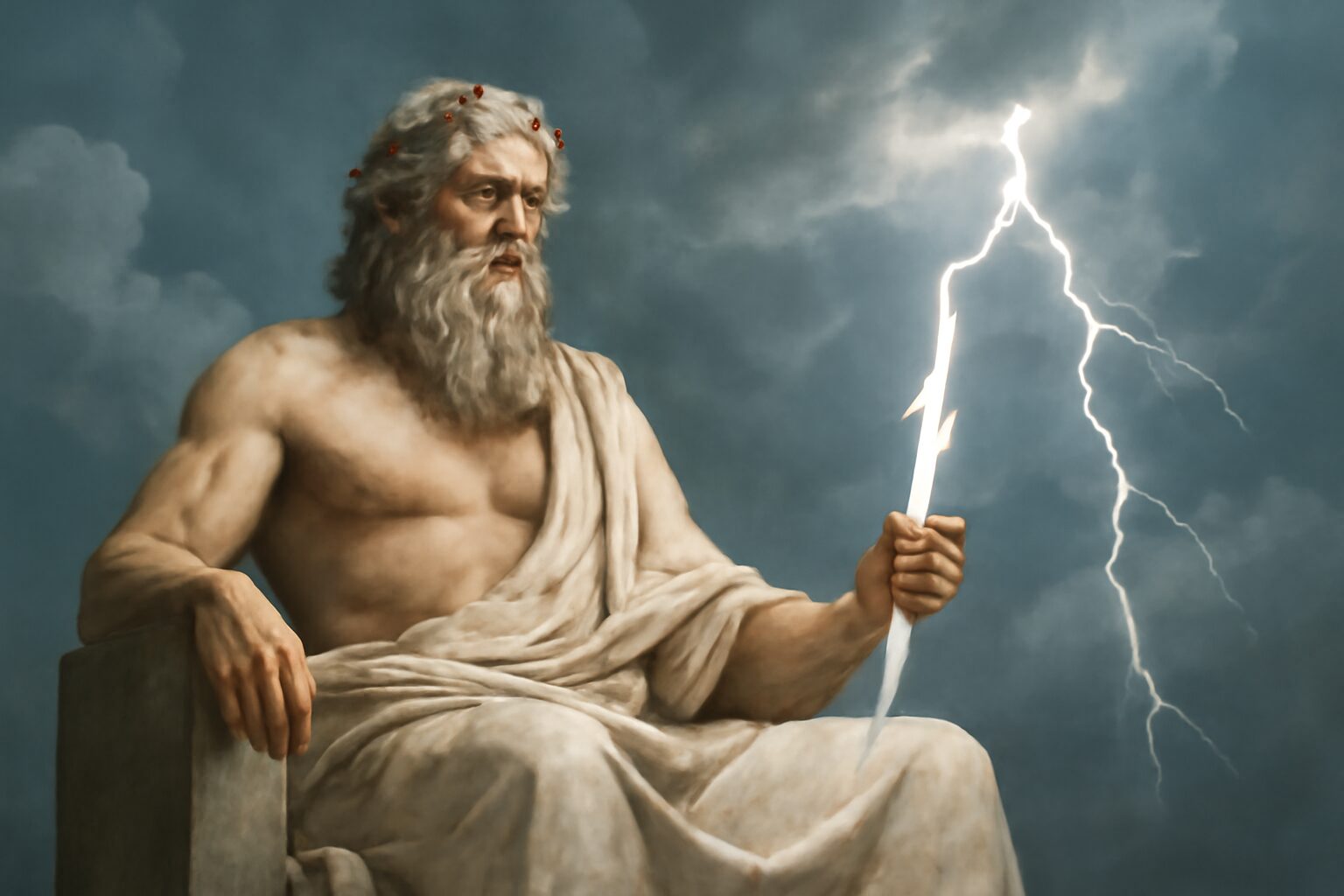
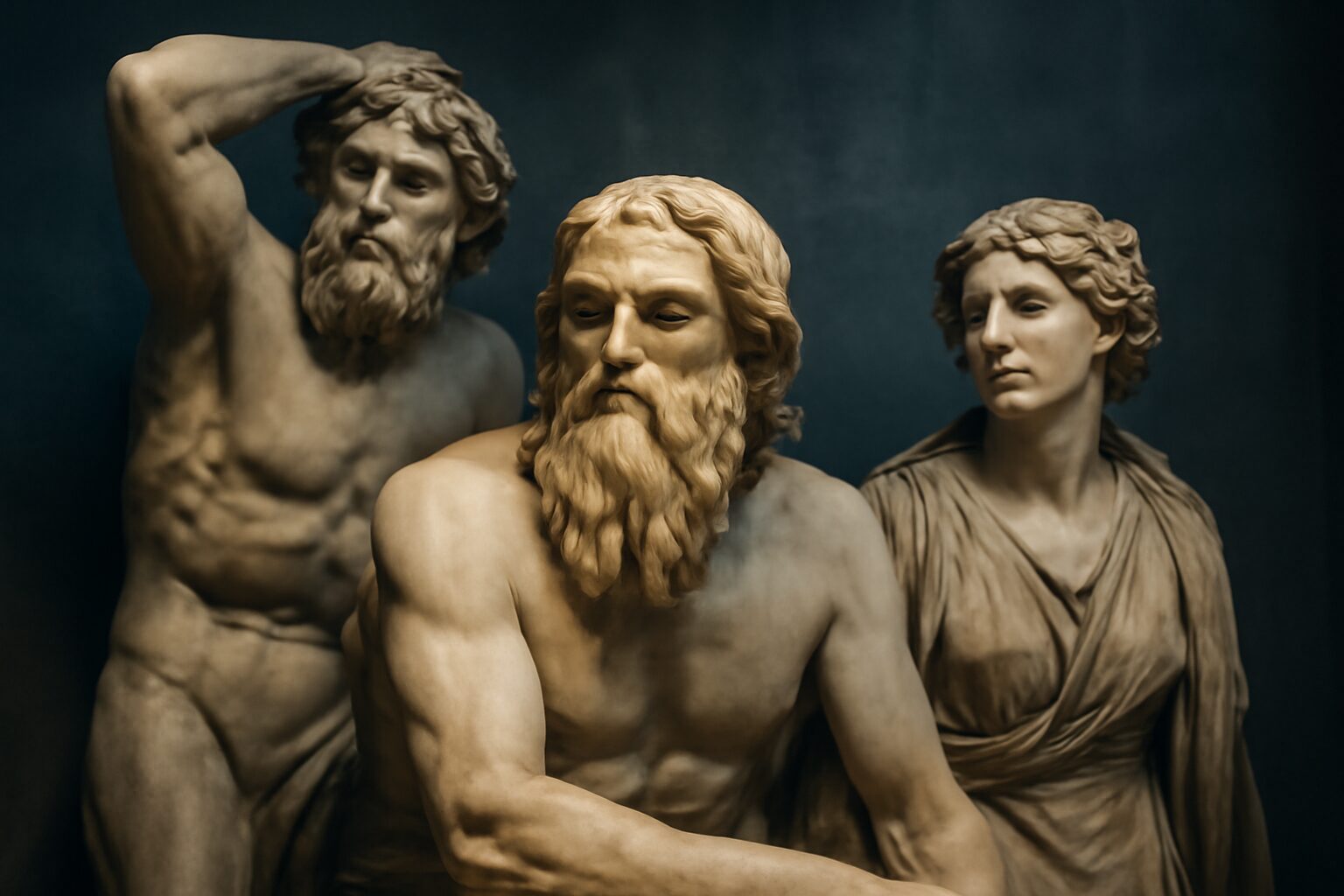
Orthosie was often depicted alongside her sisters, Eunomia and Dike, forming a triad that represented law, justice, and prosperity. Together, they were daughters of Zeus, the king of the gods, and Themis, the Titaness of divine law. This lineage emphasized their role in upholding cosmic and societal order.
In some traditions, the Horae were also linked to the Charites (Graces), goddesses of charm and beauty, further connecting Orthosie to themes of growth and abundance. While she rarely appeared as a central figure in myths, her influence was subtly woven into stories of harvest festivals and seasonal rites.
Legacy and Worship
Orthosie’s worship was often tied to rural festivals and agricultural celebrations. Farmers and communities would offer prayers and sacrifices to her, hoping for her favor in ensuring a prosperous year. Though she lacked grand temples like those of Athena or Apollo, her presence was deeply felt in the daily lives of ancient Greeks who depended on the land.
Today, Orthosie remains a lesser-known but fascinating figure in Greek mythology, embodying the timeless human desire for stability, growth, and the blessings of nature.
Alternative Names for Orthosie (and see Eunomia
God Name: Eunomia (Greek)
Eunomia is often associated with Orthosie as both are Horae (goddesses of the seasons and natural order). Eunomia represents good order and lawful conduct, and in some traditions, she is closely linked or conflated with Orthosie, who symbolizes prosperity and abundance.
God Name: Abundantia (Roman)
In Roman mythology, Abundantia is the goddess of abundance and prosperity, closely resembling the attributes of the Greek Orthosie. She is often depicted with a cornucopia, symbolizing wealth and nourishment.
God Name: Thallo (Greek)
Thallo is another Horae goddess associated with blooming flowers and springtime, sometimes overlapping in function with Orthosie, particularly in contexts where seasonal growth and prosperity are emphasized.
Tales about Orthosie (and see Eunomia
The Gift of Prosperity
In the golden age of mortals, Orthosie, the goddess of prosperity, wandered the earth, ensuring that every harvest was bountiful and every season brought abundance. One day, she noticed that the fields of a small village were failing, despite the hard work of the farmers. The soil was barren, and the people were on the verge of famine. Sensing a deeper imbalance, Orthosie sought the counsel of Eunomia, the goddess of good order and lawful conduct.
Eunomia revealed that the village had fallen into chaos due to greed and disputes over land, disrupting the natural harmony. Together, Orthosie and Eunomia visited the village elders, teaching them the principles of fairness and cooperation. As the people began to work together and share resources, Orthosie blessed the soil with her touch, causing crops to sprout overnight. The village flourished once more, a testament to the power of prosperity guided by order.
A Challenge from Chaos
During a time of great turmoil, the primordial force of Chaos threatened to unravel the fabric of the world, causing storms, earthquakes, and crop failures. Orthosie knew that her domain of prosperity was at stake, and she could not stand idly by. She called upon her sister, Eunomia, to help restore balance.
Eunomia devised a plan to impose structure upon the chaos, while Orthosie focused on nurturing the land, ensuring that life could persist even in the face of disorder. They worked in tandem, with Eunomia establishing laws and boundaries to contain Chaos's influence, and Orthosie sowing seeds of resilience in the earth. Though Chaos raged, the combined efforts of the goddesses created pockets of stability and abundance, proving that even in the darkest times, prosperity and order could prevail.
Frequently Asked Questions
Who is Orthosie in Greek mythology?
Orthosie is a minor Greek goddess associated with prosperity and abundance, often linked to the harvest and the changing seasons. She is one of the Horae, goddesses of the natural order and the seasons.
What is the connection between Orthosie and Eunomia?
Orthosie and Eunomia are both part of the Horae, the goddesses of the seasons and natural order. Eunomia represents law and good order, while Orthosie symbolizes prosperity, showing how these concepts were intertwined in Greek mythology.
Why are rustic deities like Orthosie important in Greek mythology?
Rustic deities like Orthosie were important because they represented aspects of daily life, such as agriculture and prosperity, which were vital to ancient Greek society. They helped people understand and honor the natural world.
What can we learn from the myth of Orthosie?
Orthosie's myth teaches the importance of balance and gratitude for nature's bounty. Her connection to the harvest reminds us of the cyclical nature of life and the need to respect natural rhythms.
How does the concept of Orthosie apply to modern life?
Orthosie's themes of prosperity and abundance can inspire us to appreciate the resources we have and to live sustainably, recognizing our dependence on natureu2014a lesson still relevant in today's world.